Open Science Journal

Chronological Lab Notebook

Daily logs with notebook pages, experiment photos, and markdown notes.

3D printer accessory mount

Permalink

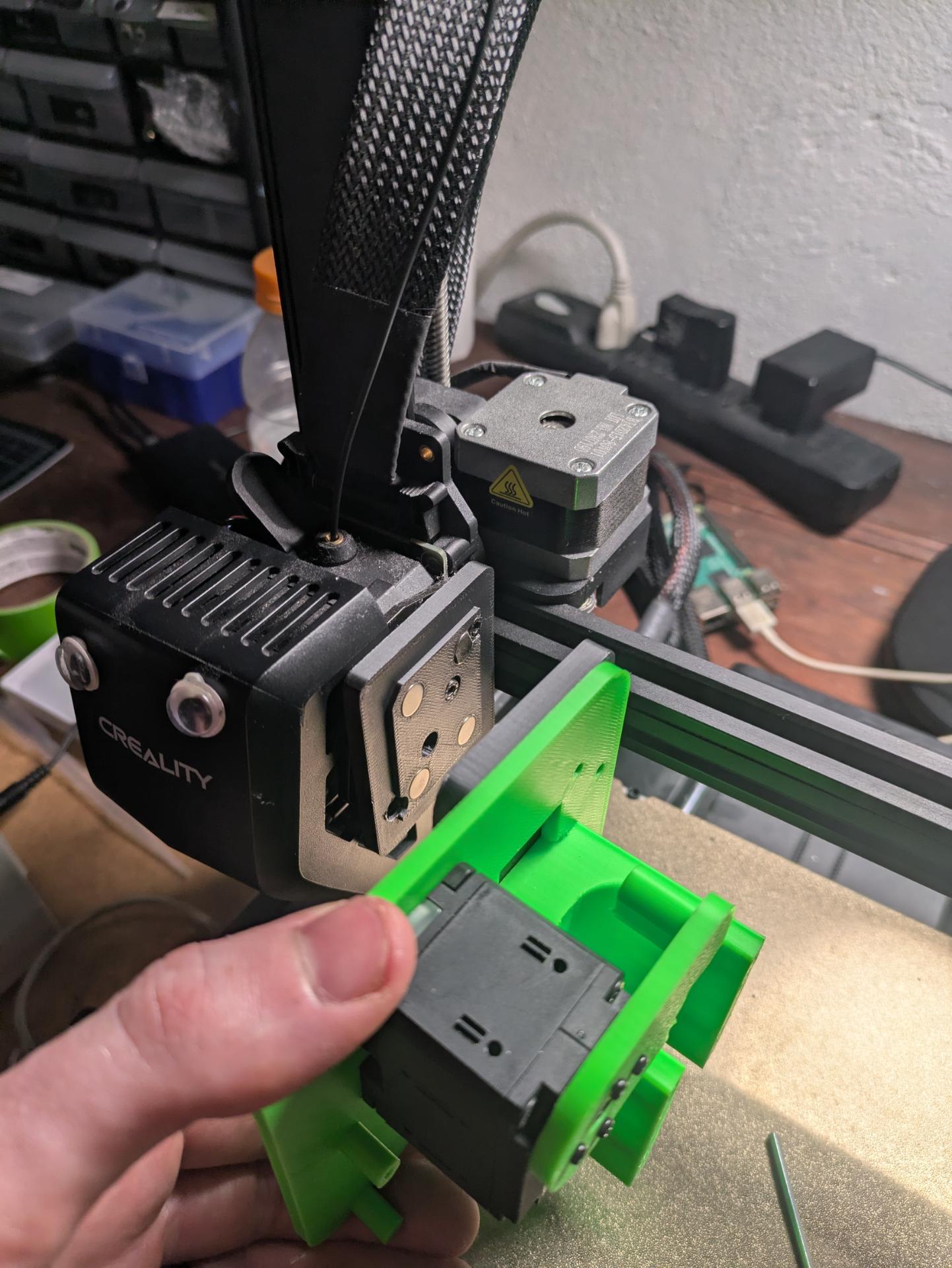
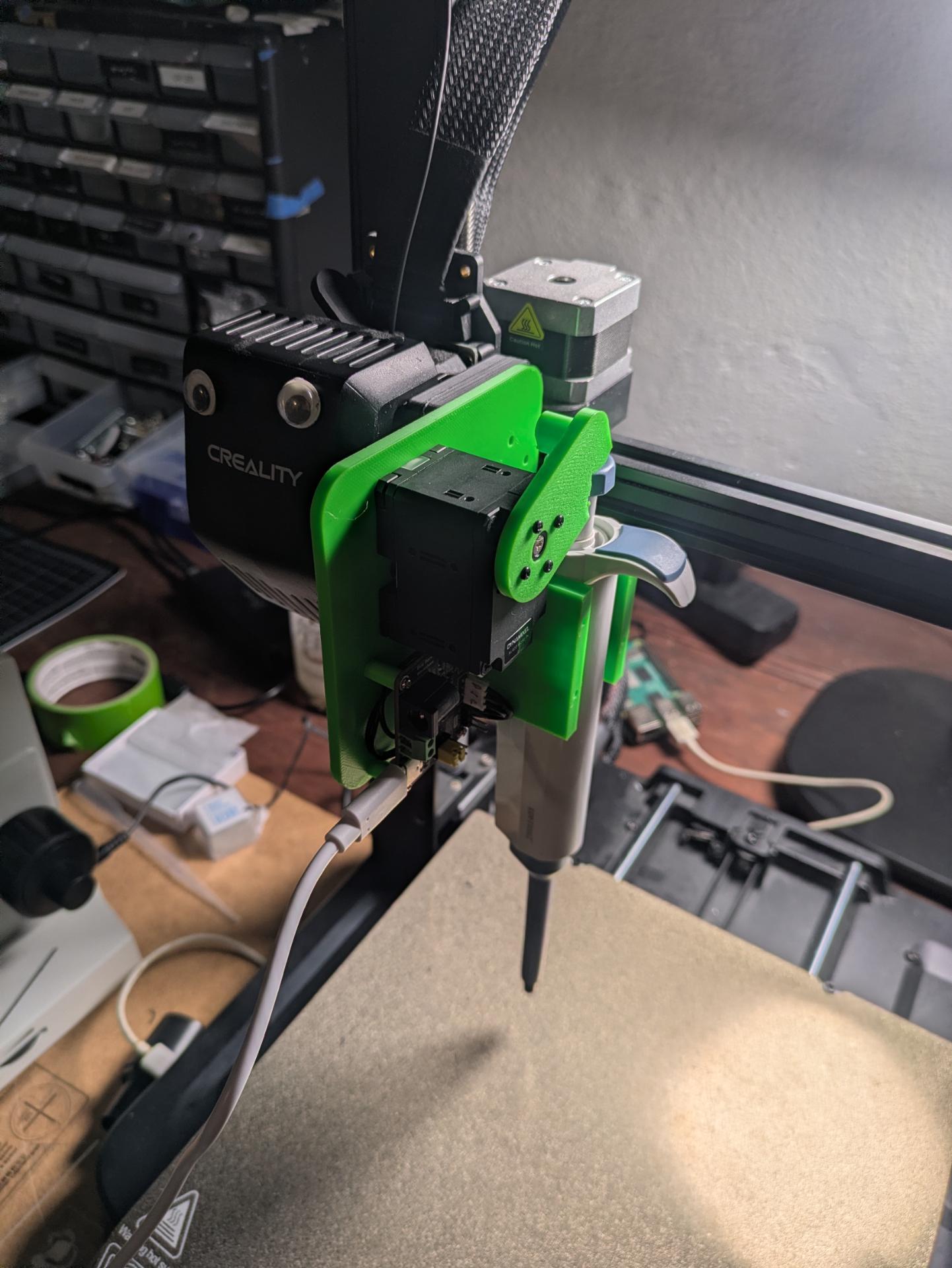
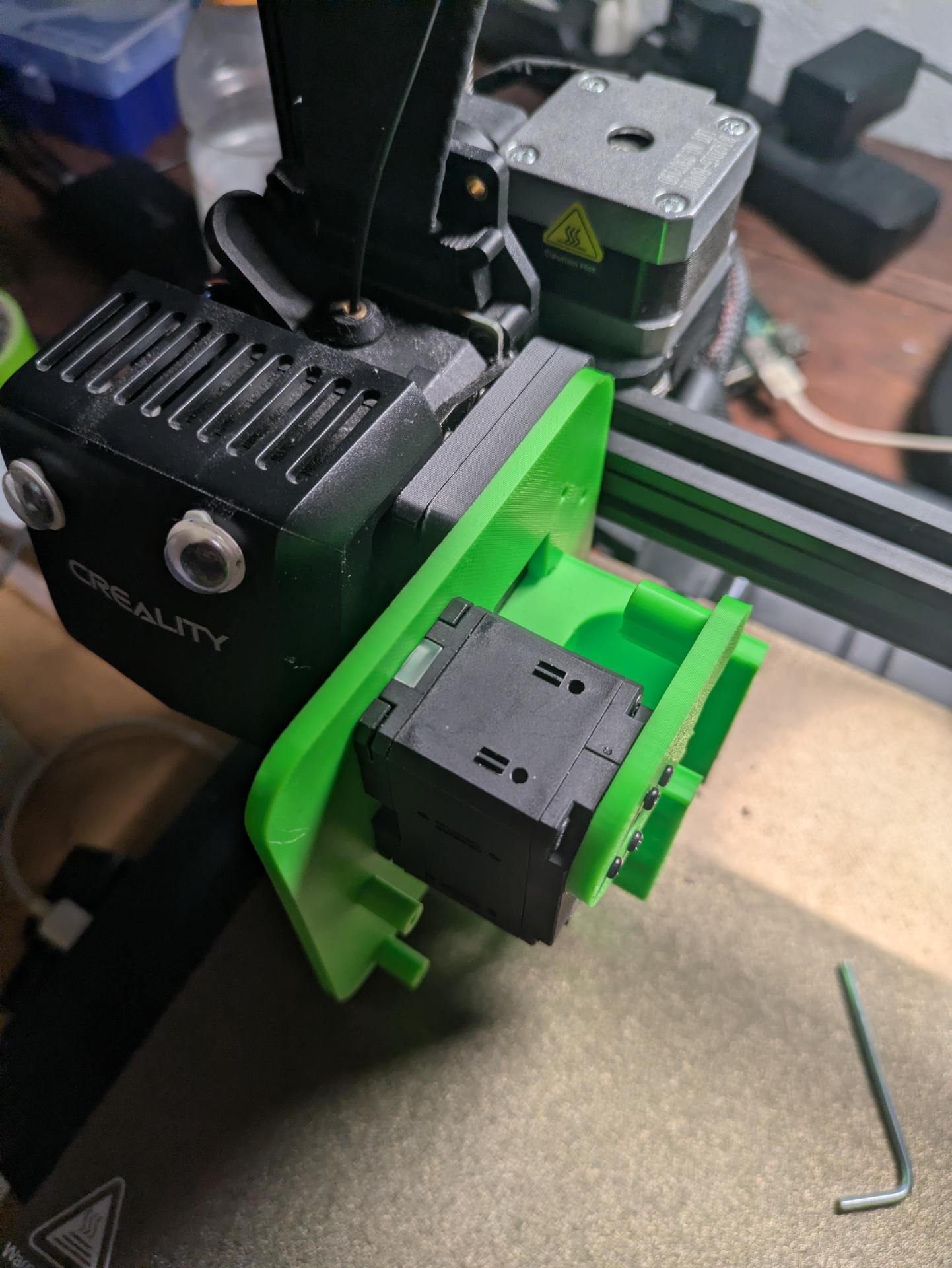
Magnet snap attachment thingee for my pipette bot

Centrifuge free miniprep

Permalink

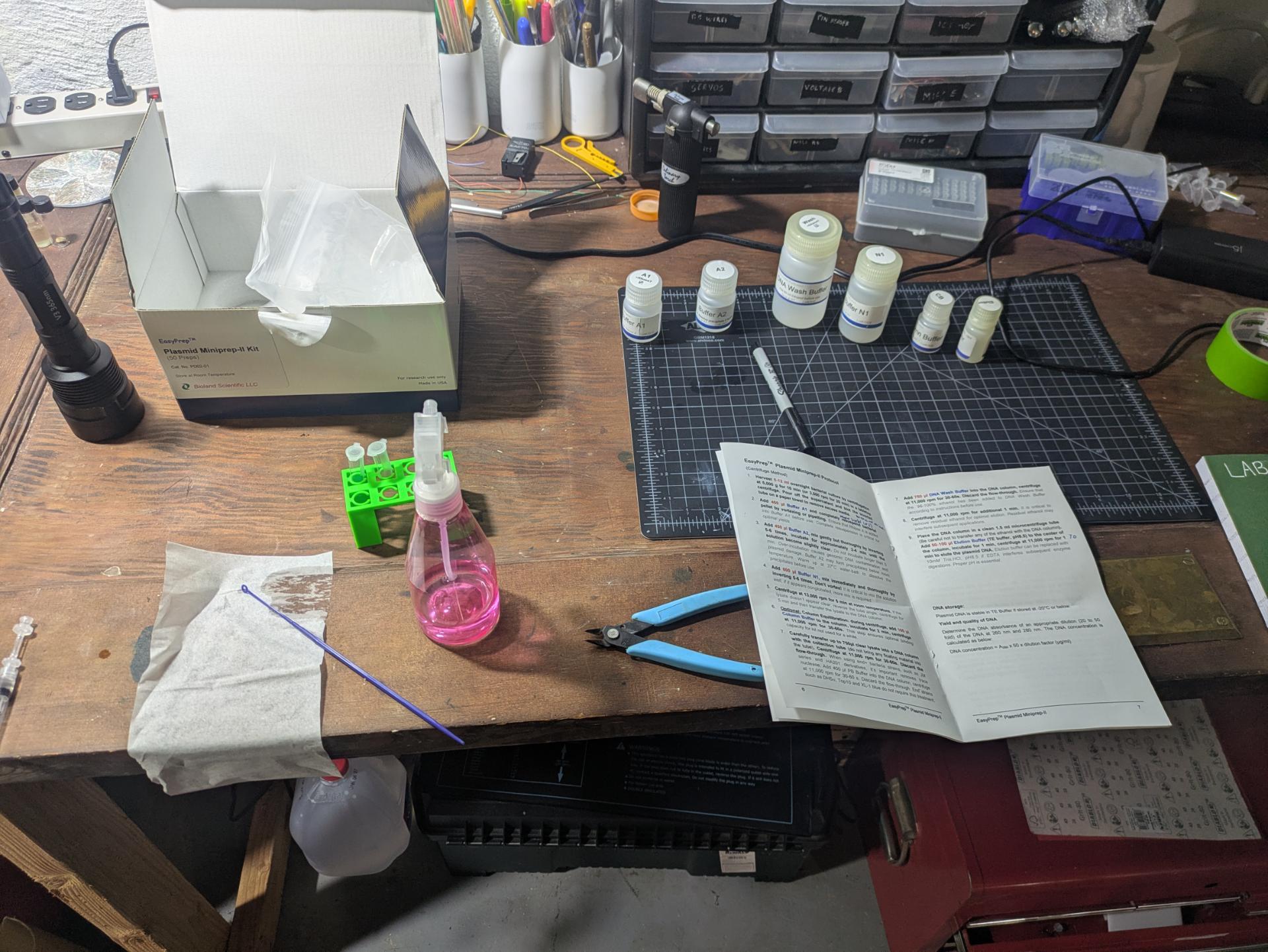
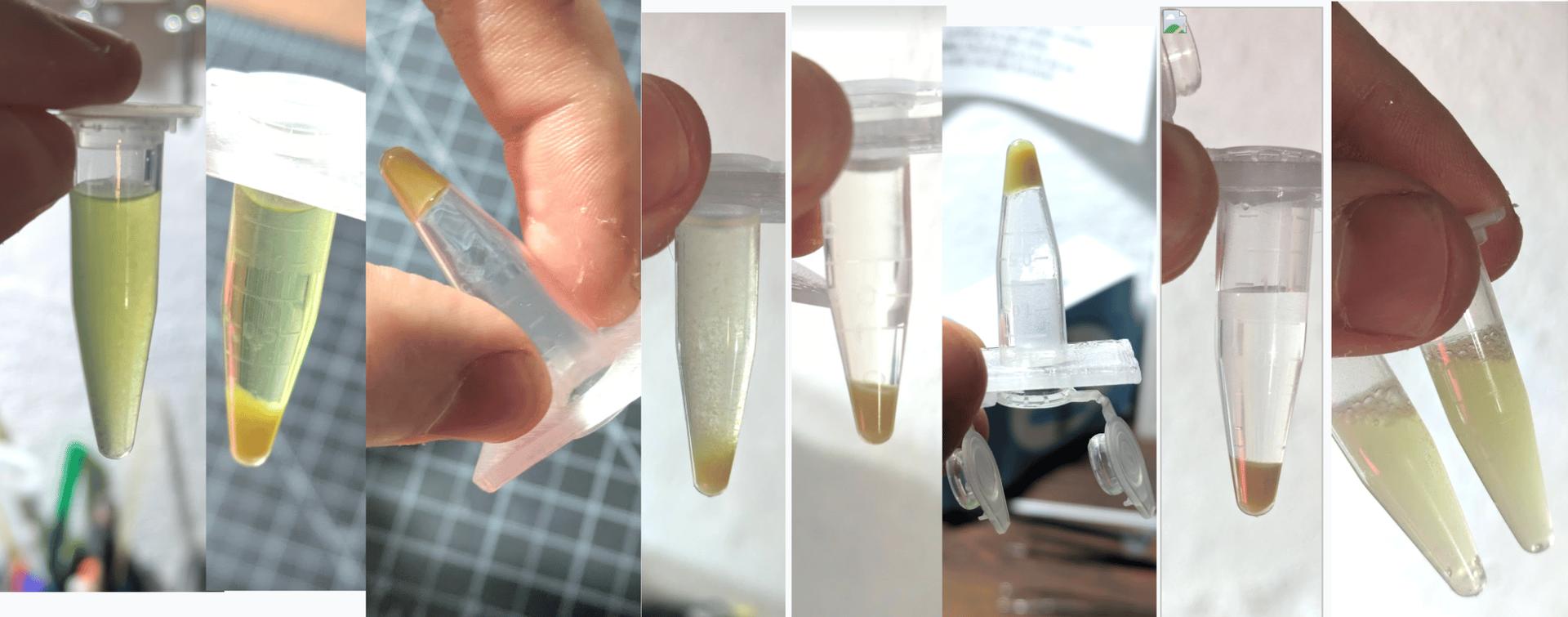
I ran a mini-prep today to get more of my miraculin + eyGFPuv plasmid from some e. coli that has it. Mostly following the bioland miniprep 2 kit, BUT:
- I start with a couple loopfuls of bacteria right from the plate
- I found that I can use a syringe filter (0.22um) in place of the first centrifugation step (getting rid of the goop)
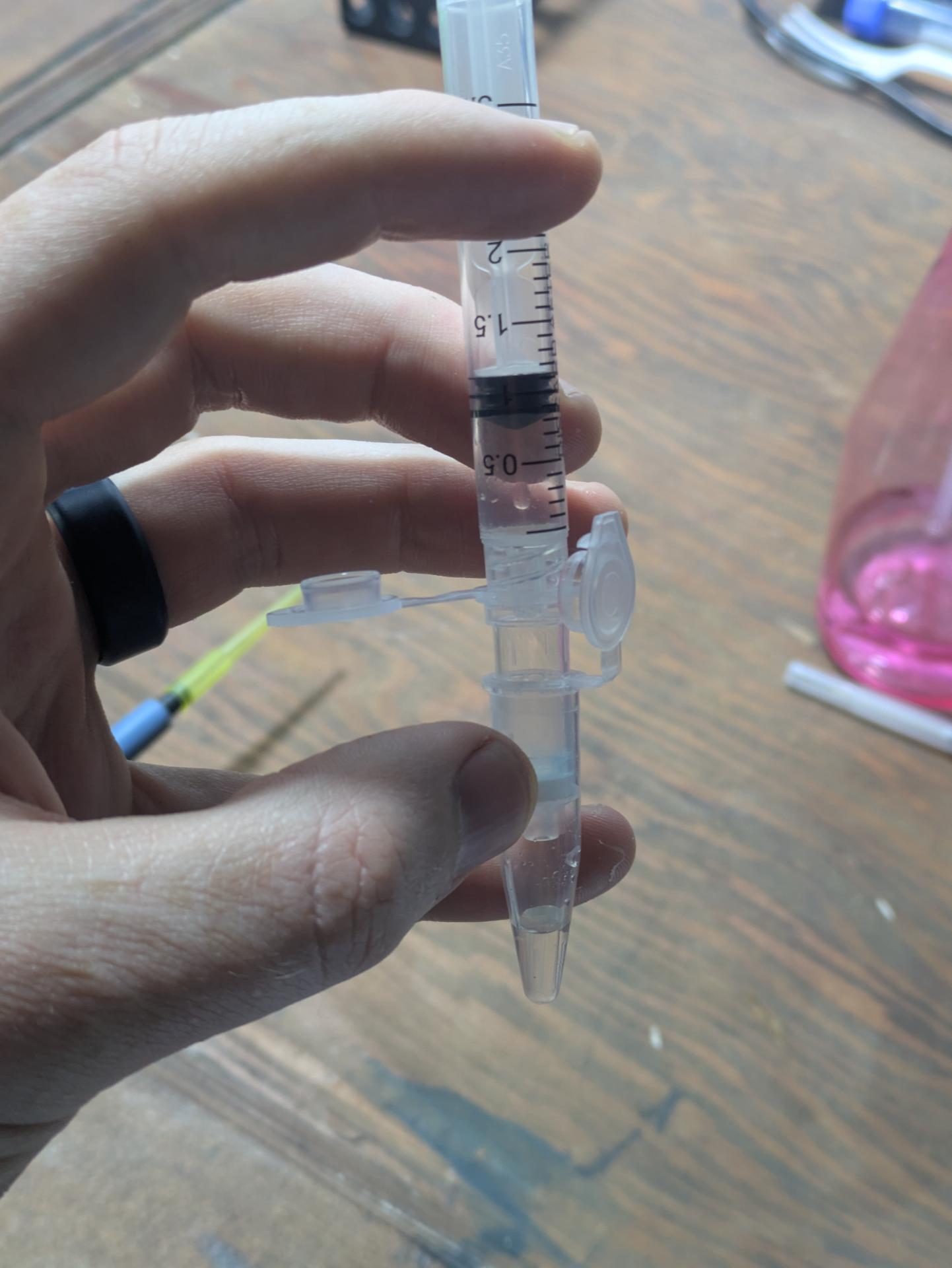
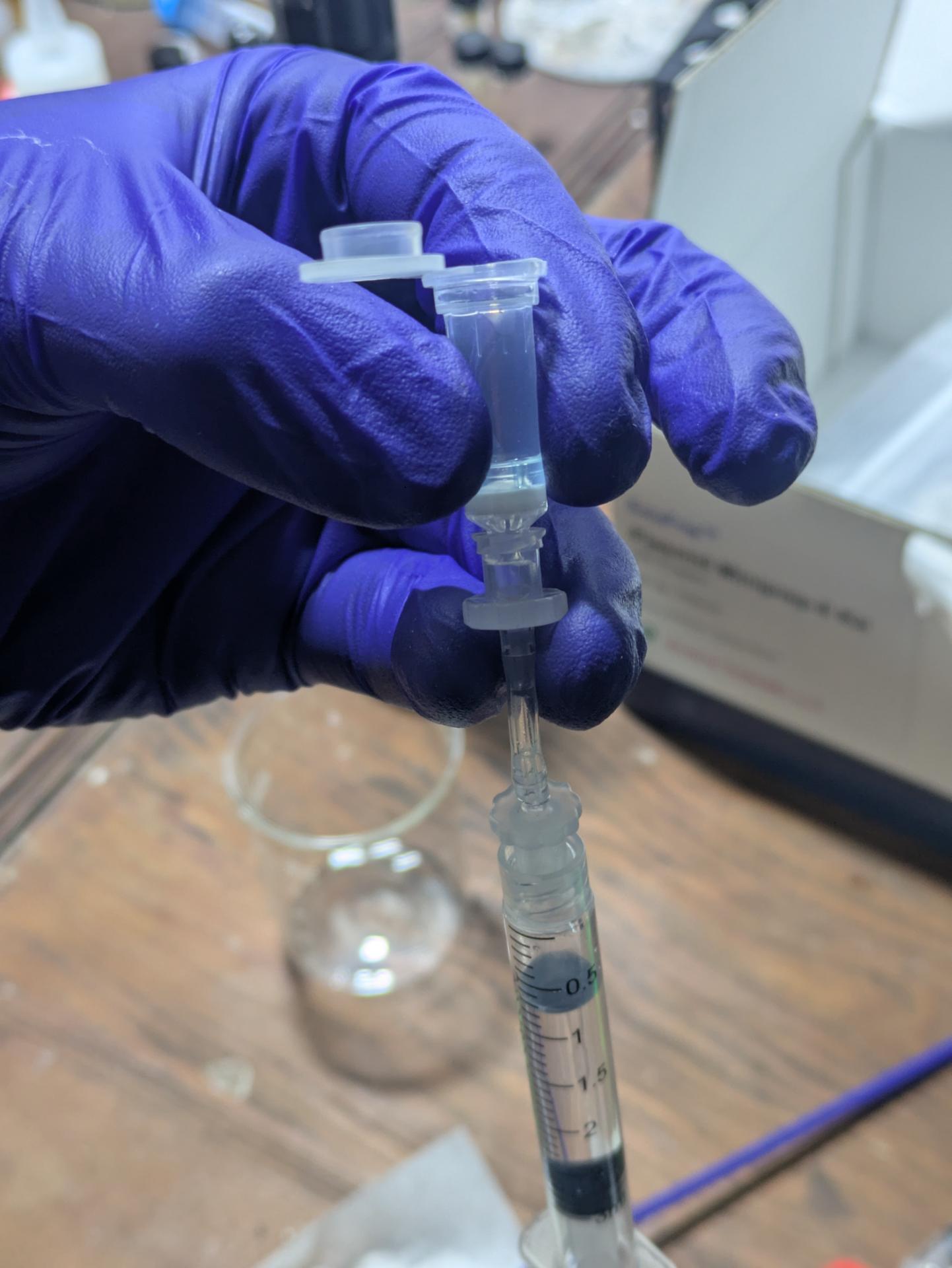
- For the wash step, I made an adapter: syringe -> luer-to-barb -> bit of tubing -> barb-to-luer. Into this I could press the bottom of the column, such that sucking the syringe pulled the wash through
- For the final elution step, I used my dremelfuge since I needed what came through, then with the remaining lysate I did another go on the column. I tried (unsuccessfully) sucking the final elution buffer through into a 1.5ml tube with a needle + syringe. Then after I gave up and centrifuged it, I discovered that with a bit of force the syringe luer outer diameter just fits into the top of the column, so I can push it through and collect in future (tested with water, looks like it will work and is great apart from a little foaming/splattering).

All that to say, I am now convinced that you can do a miniprep with this kit without needing a vacuum manifold or a centrifuge or anything - just a syringe, syringe filter (useful for lots of other things) and maybe some type of tube adapter for the sucking part (but also TBH I think blowing through makes that obsolete, just blow through all the column steps). Hooray!

Does this help anyone besides me? Not sure, I think most people doing minipreps have centrifuges haha. But I'm glad I don't need to set up the dremelfuge if the dremel has something else set up in it.
Agrobacterium Heat Shock Transformation

Permalink

I did a quick vibes-based agro transform last week. On July 7 I:
- loopful of cells into a tube w/ 50 mM CaCl2
- 100uL per tube (one for +DNA, one control)
- 1.5ul DNA (~500ng) to +DNA tube
- Freeze (as cold as possible, I added CaCl2 to freezer ice + a little 96% ethanol, -10 or -15C, froze pretty fast)
- Thaw 5 mins at 37C
- Add 200uL LB and leave for 20mins to recover
- Plate and spread on plates with Rif. and gent. (maintenence) + kan. (selection for my plasmid)
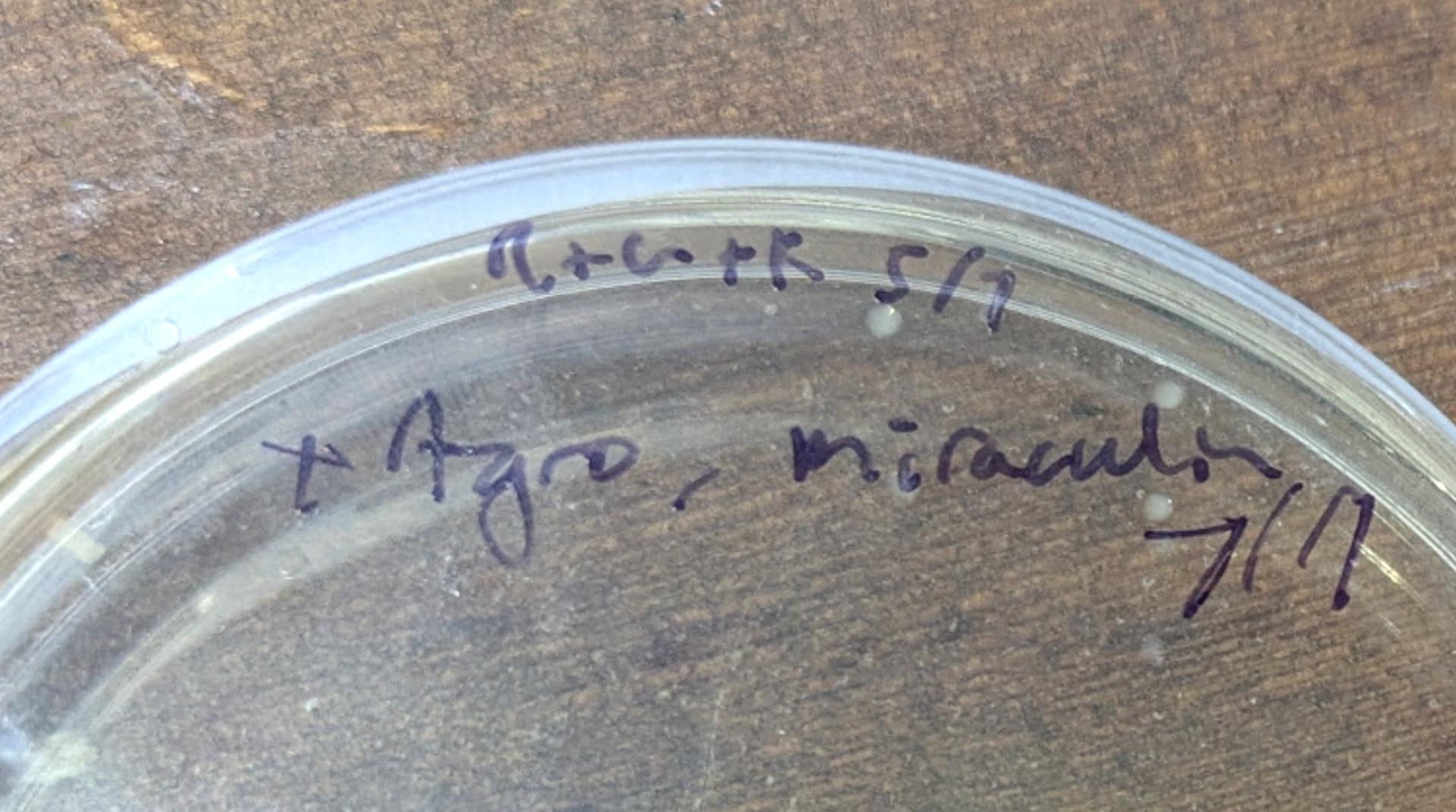
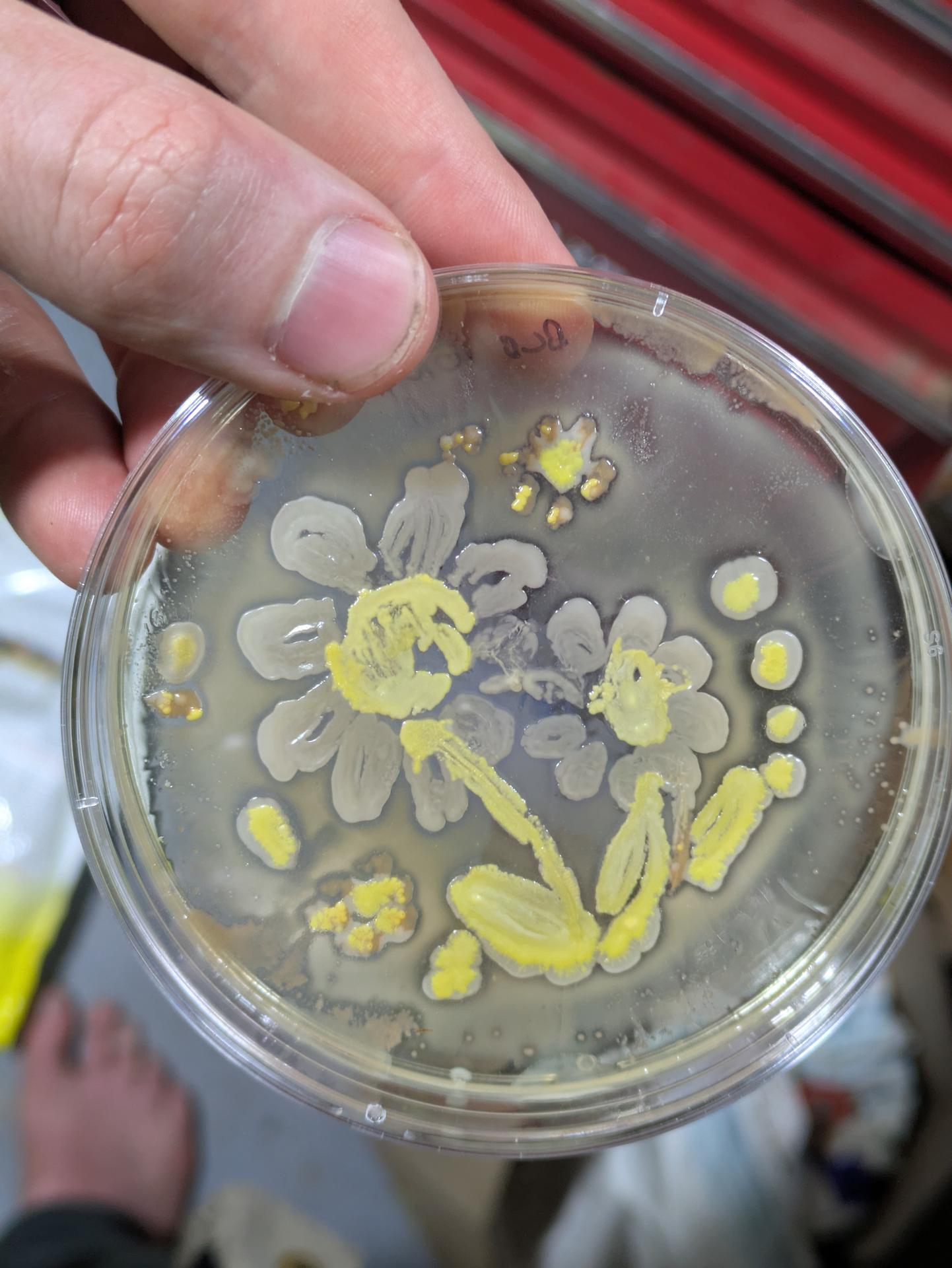
By the 9th no colonies were visible but the plates had spend some time cold. By the 12th the +DNA plate had 5+ colonies and a big spot of mold. The no-DNA plate had some other contam. This was all a rush job before a camping trip, and checked after we got back - not ideal haha. I streaked 3 colonies onto a fresh R+G+K plate on the 12th and now have plenty growing. I tried an infiltration in tobacco leaves and a yolo duckweed one (just using the dregs in the syringe against some tiny duckweed leaves) - will see if we get transient expression in the leaves, at which point I'll bank my transformed agro and try some proper transformations.

Not a fan of how many steps this is if we want newbies to be able to replicate - lots that needs to go right! Gene gun (order plasmid, shoot, select) would be a lot more accessible. Time to order some algae.

(Inspiration/better protocol: https://pikaard.lab.indiana.edu/protocols/protocols/agrobacterium-growth-and-transformation.html)

Crystals from bird poop

Permalink

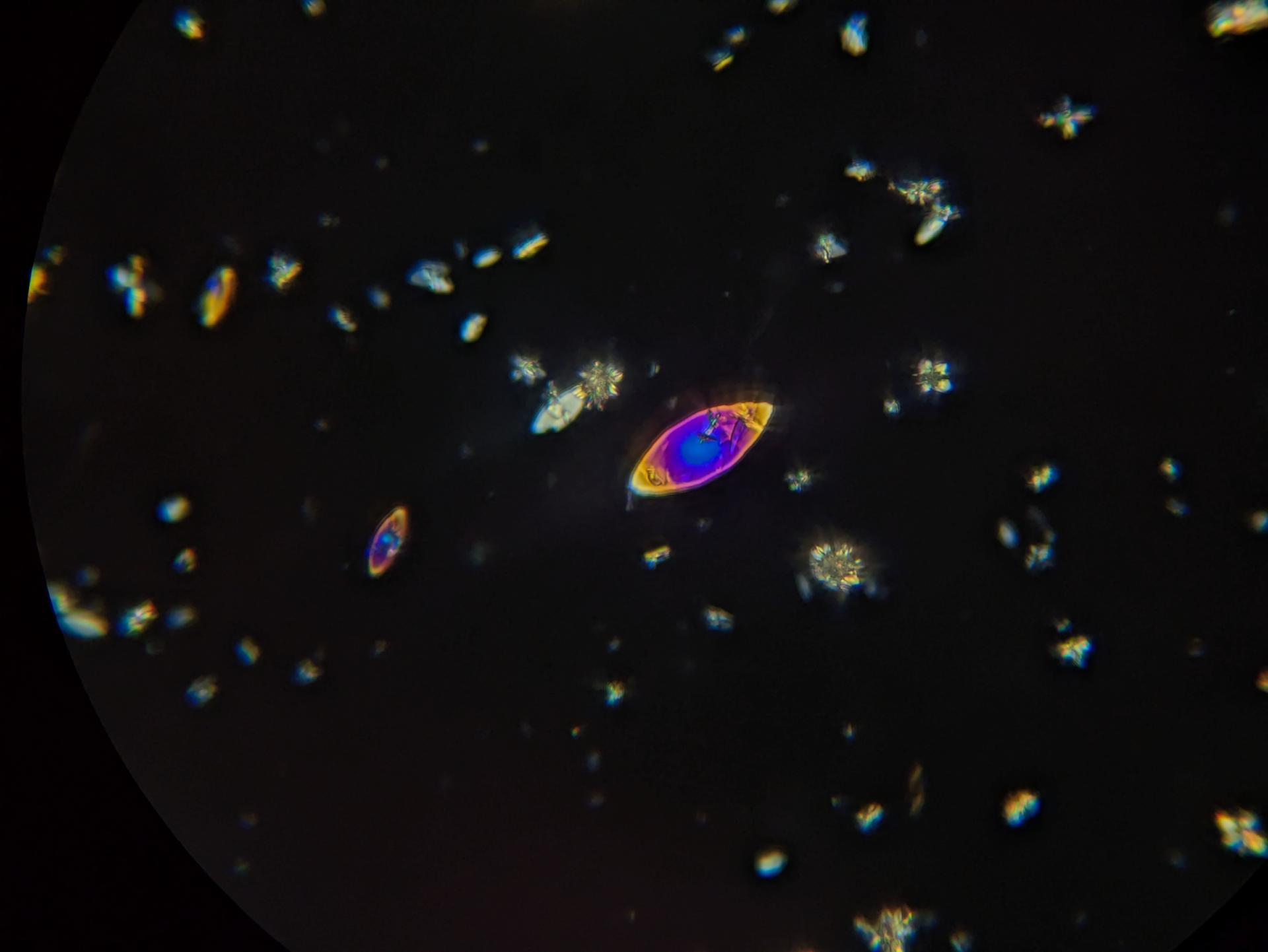
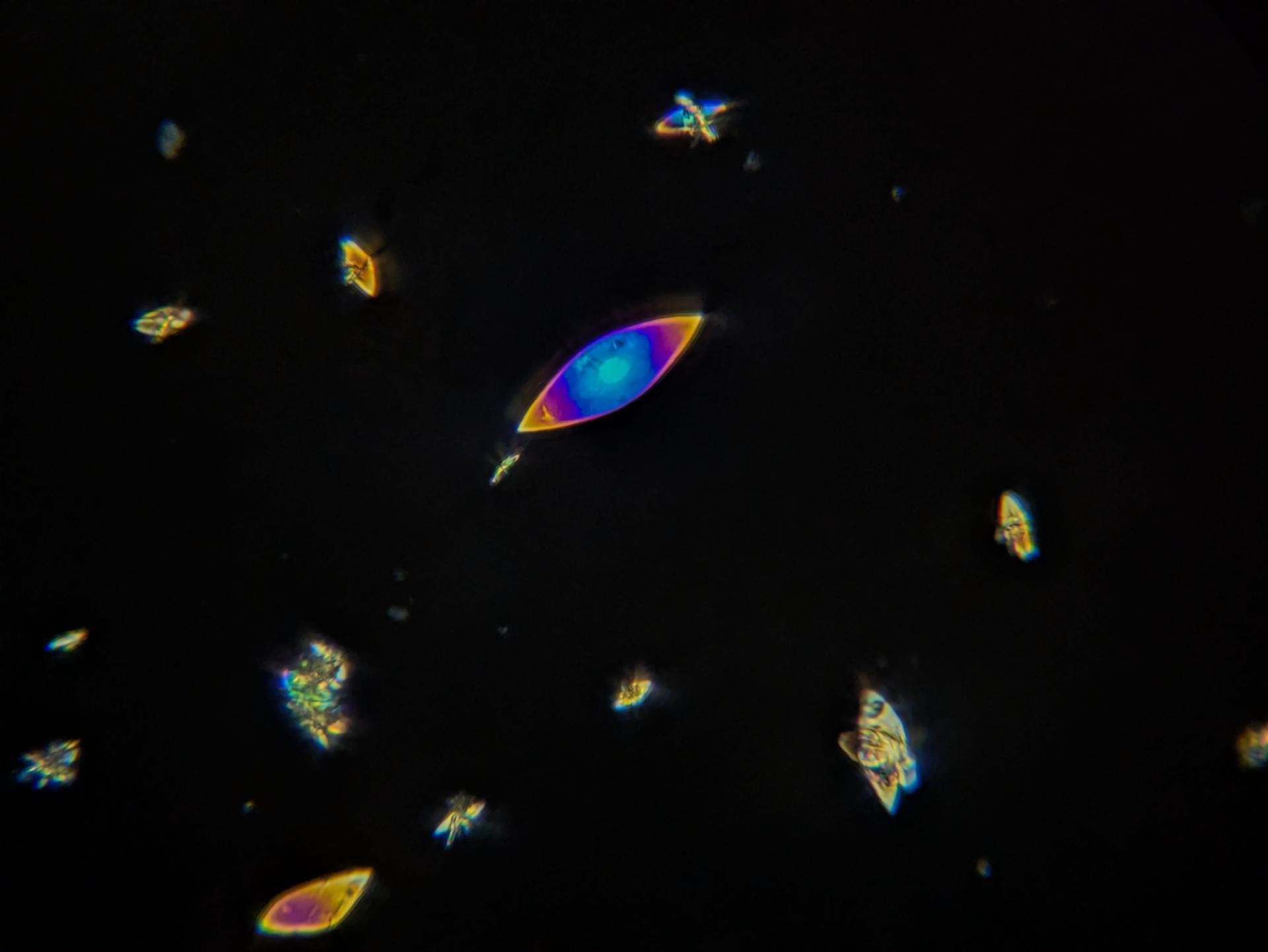
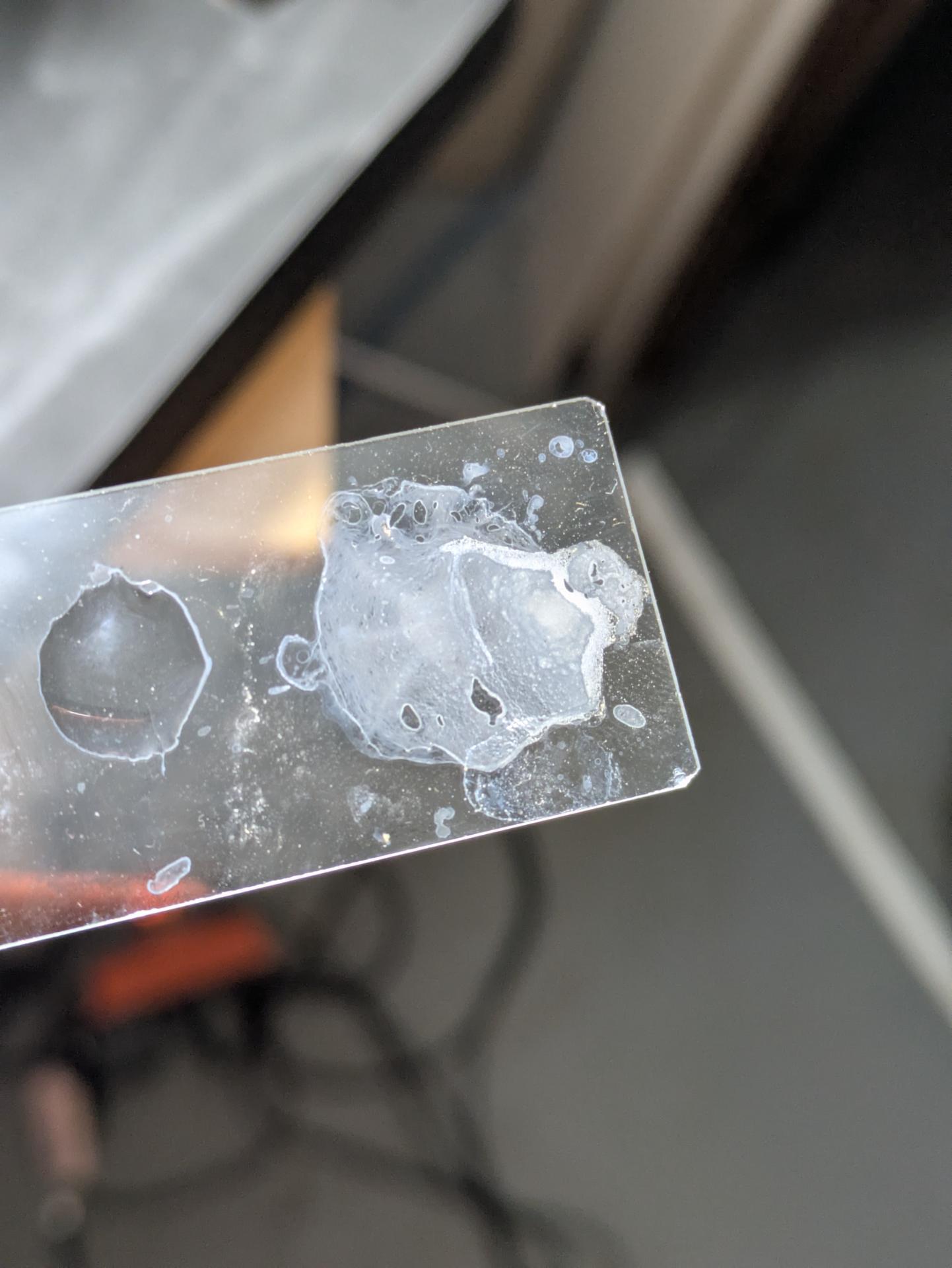
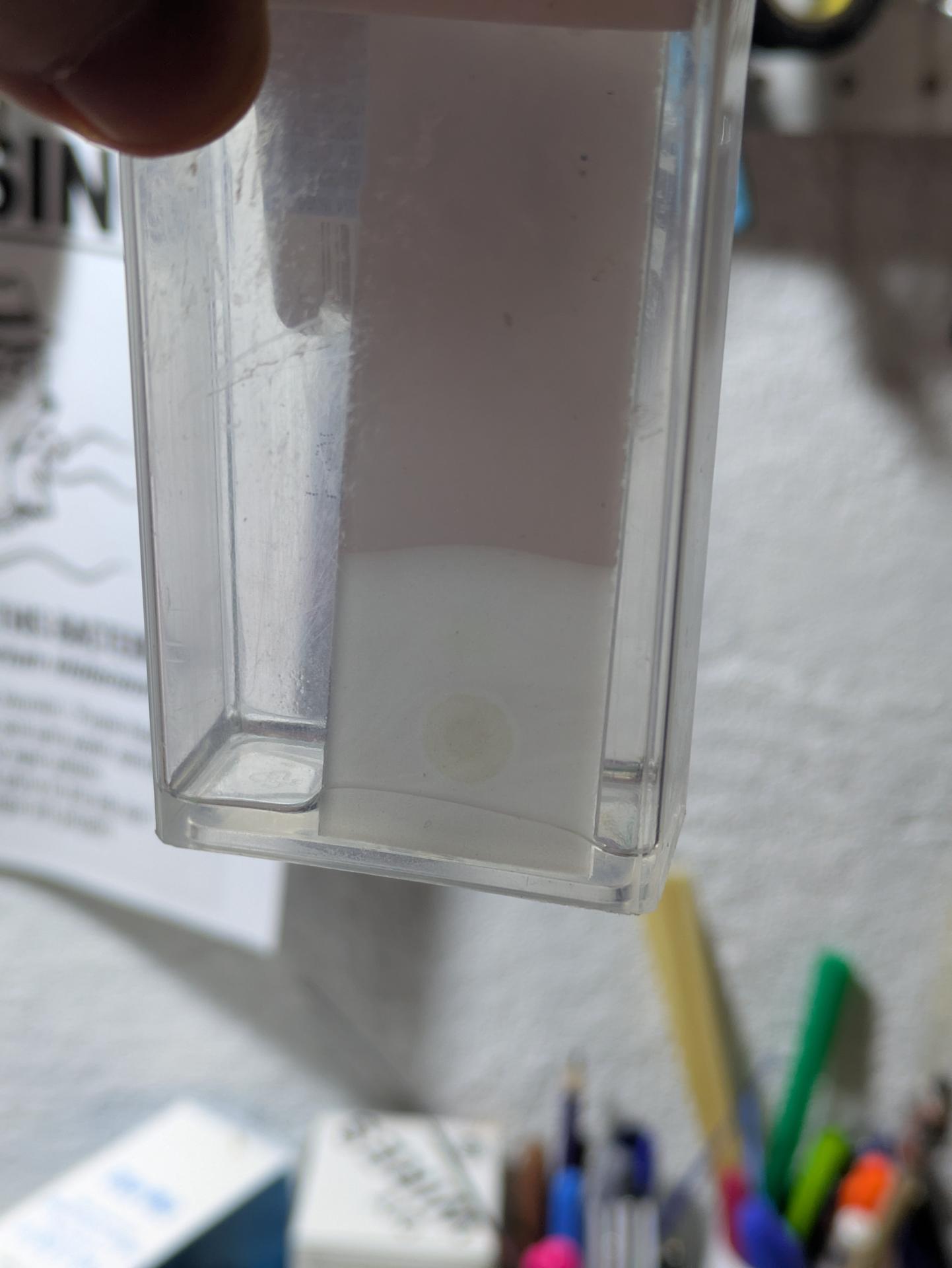
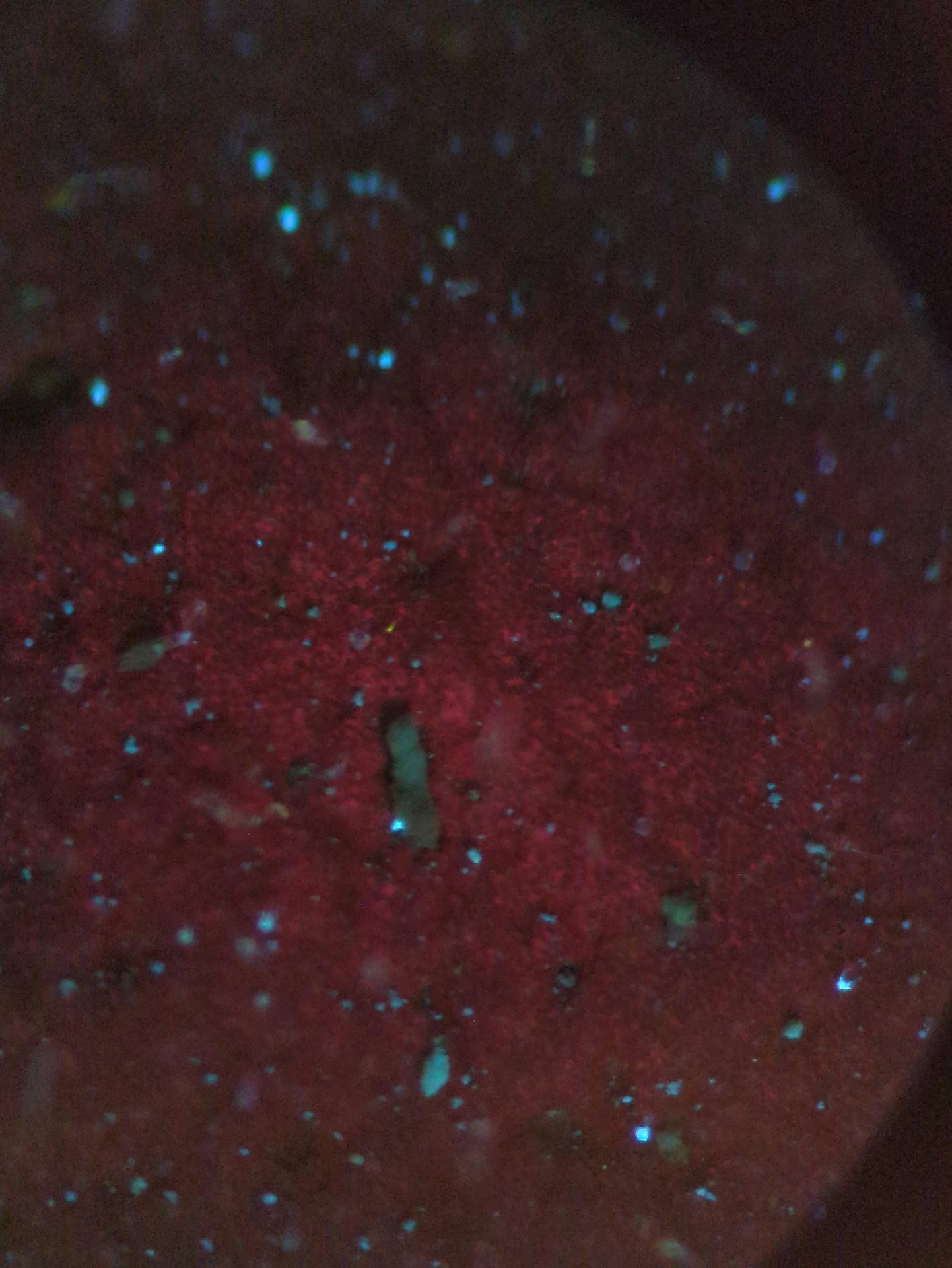
The glowy poop on a slide that had had water added and then been dried showed phosphorescence again once sufficiently dry. I placed the rest of the white in 3ml water, then filtered it .22um. a drop on a slide gave birefringent crystals

Looking deeper into carrots

Permalink

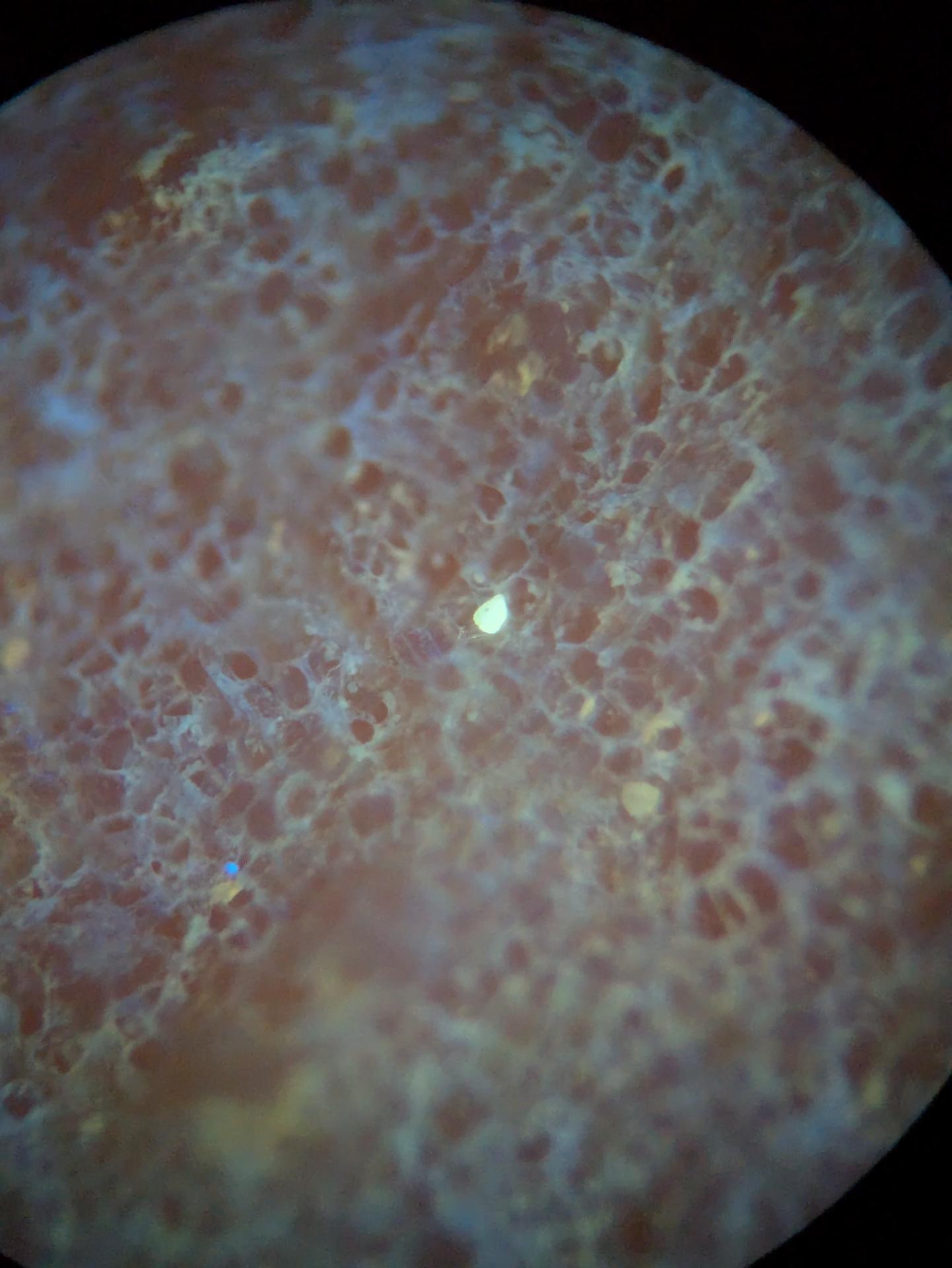
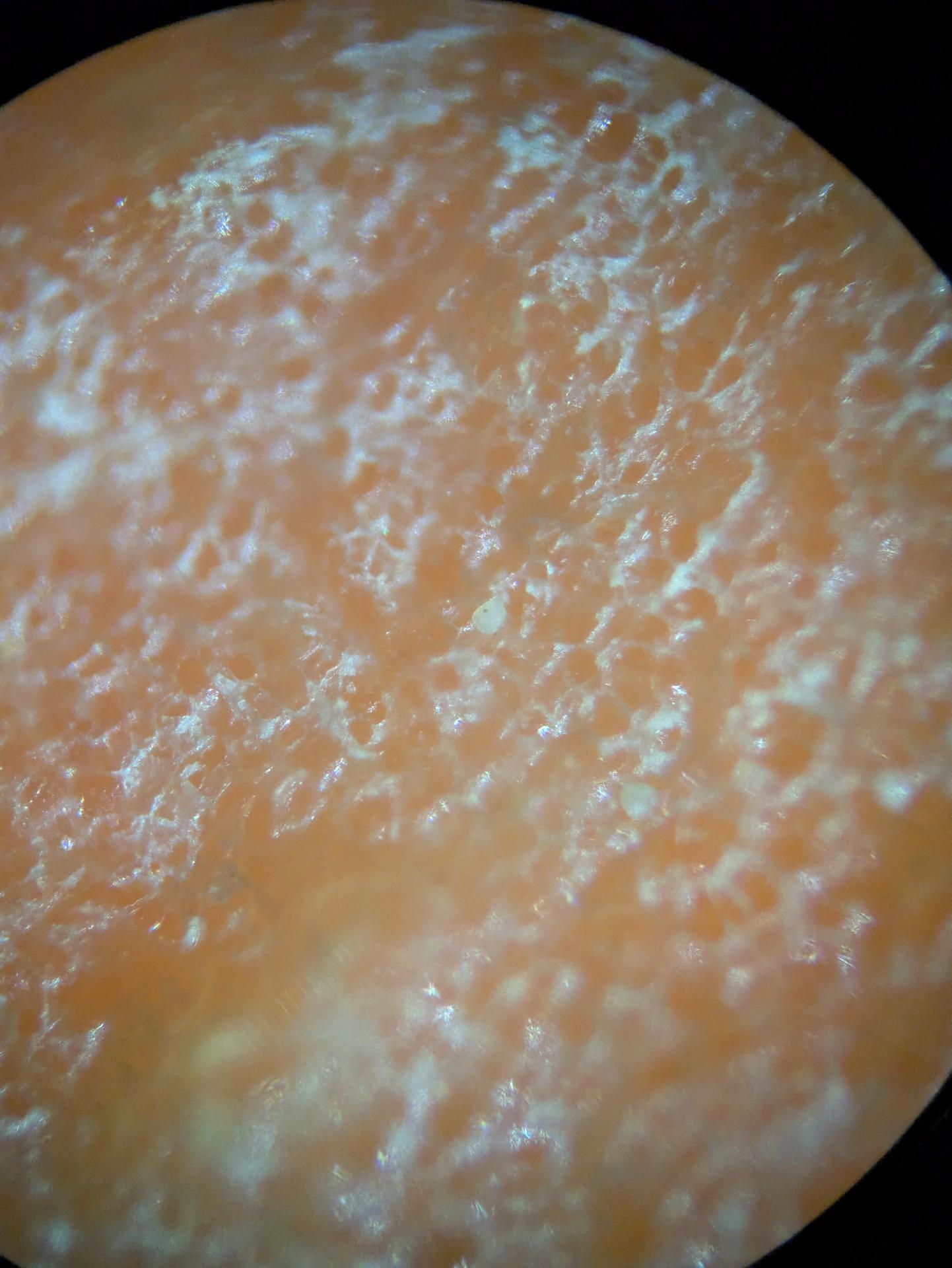
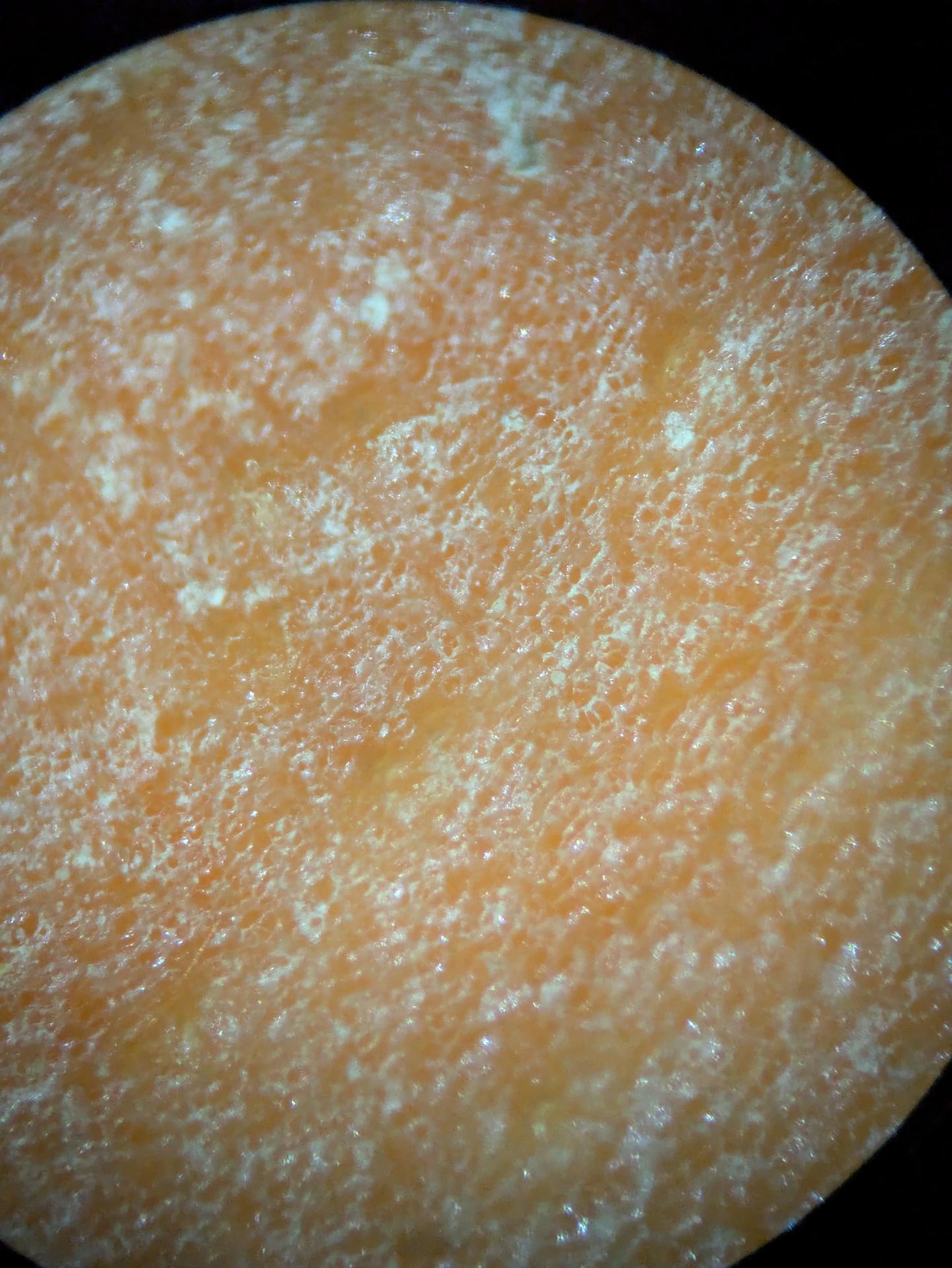
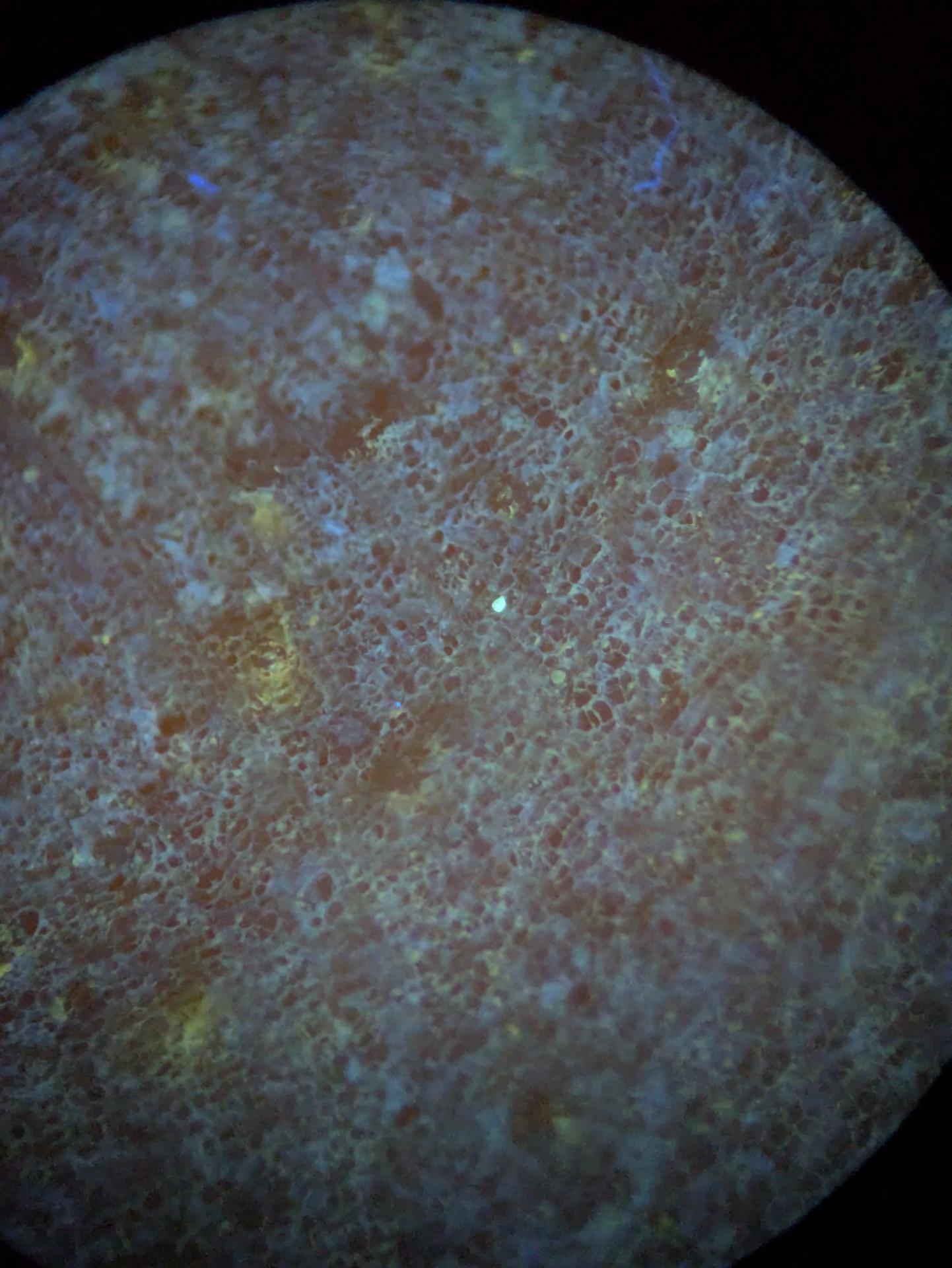
After a call with a new friend, I sliced the surface layer off the two carrot targets (eyGFPuv and RUBY respectively) to see if more transformed cells might be hiding beneath the surface. Sure enough, some red ones in the RUBY target and some glowy ones in the eyGFPuv one, and not v.v.!

Carrot shot with eyGFPuv gene?

Permalink

Maybe success? Not happy with it and older than I'd like, could be something on the surface, Todo more

Dichroic sunstone

Permalink

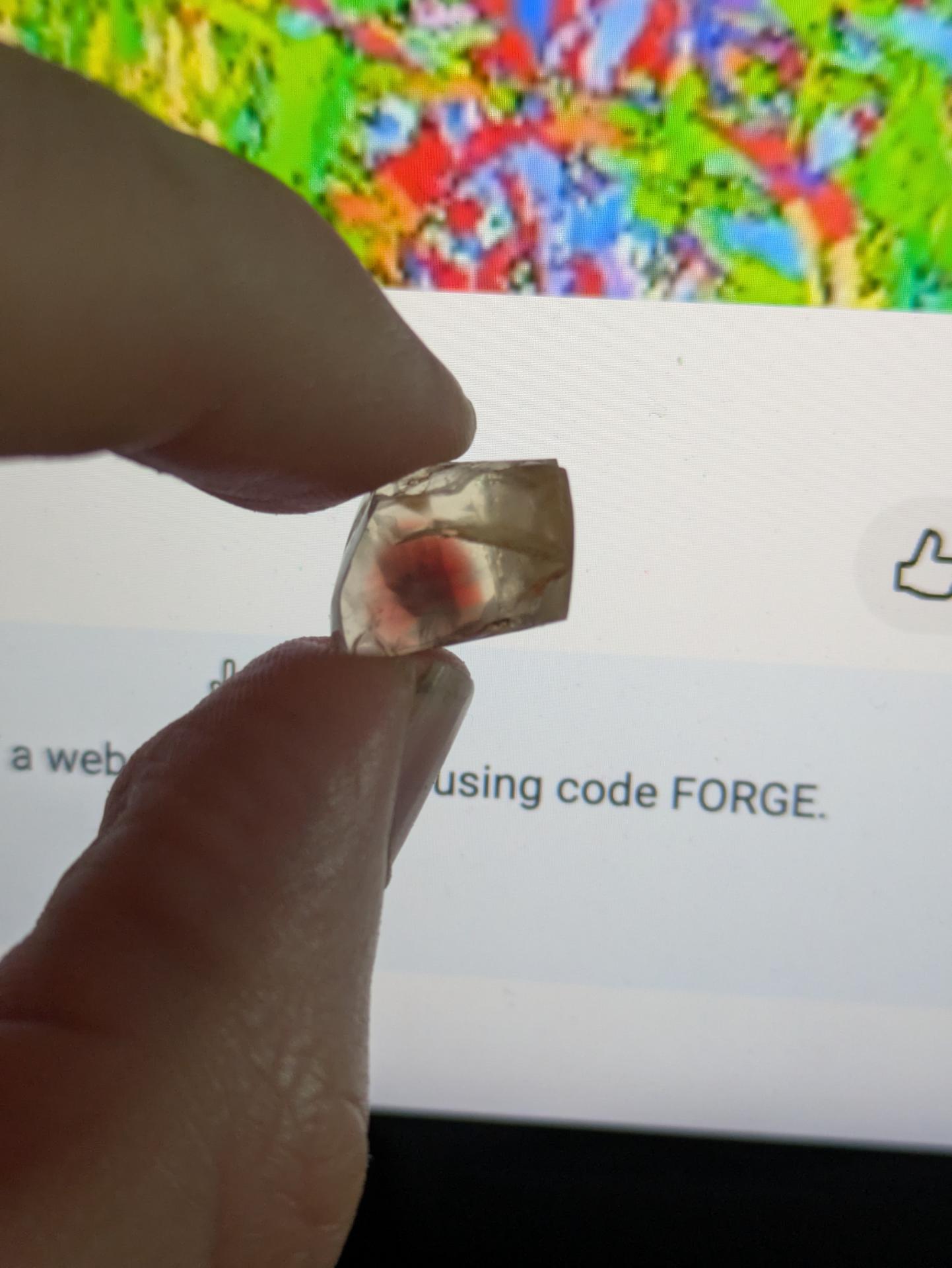
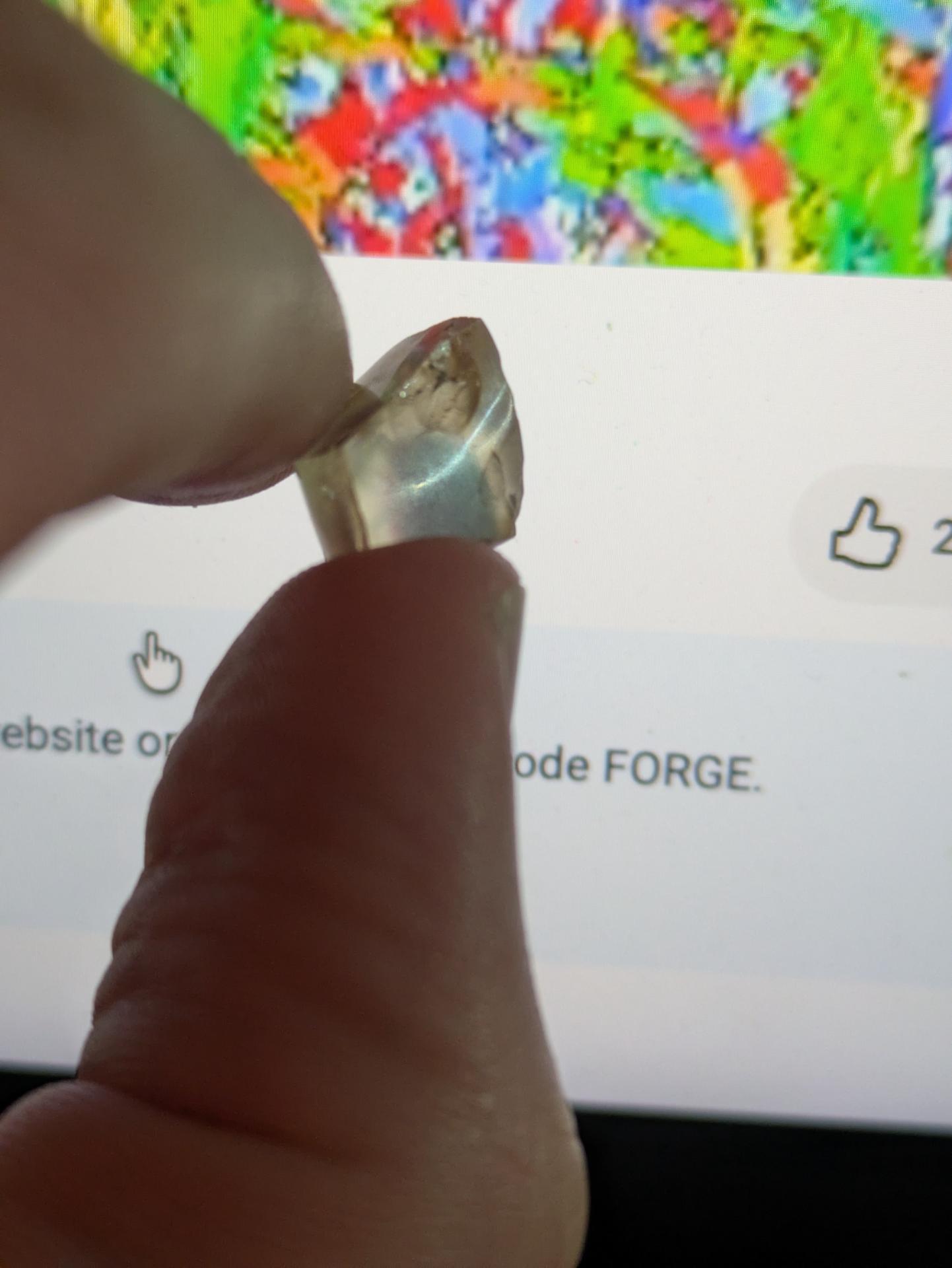
From the public collection area near spectrum sunstone mine

microfluidics WIP

Permalink

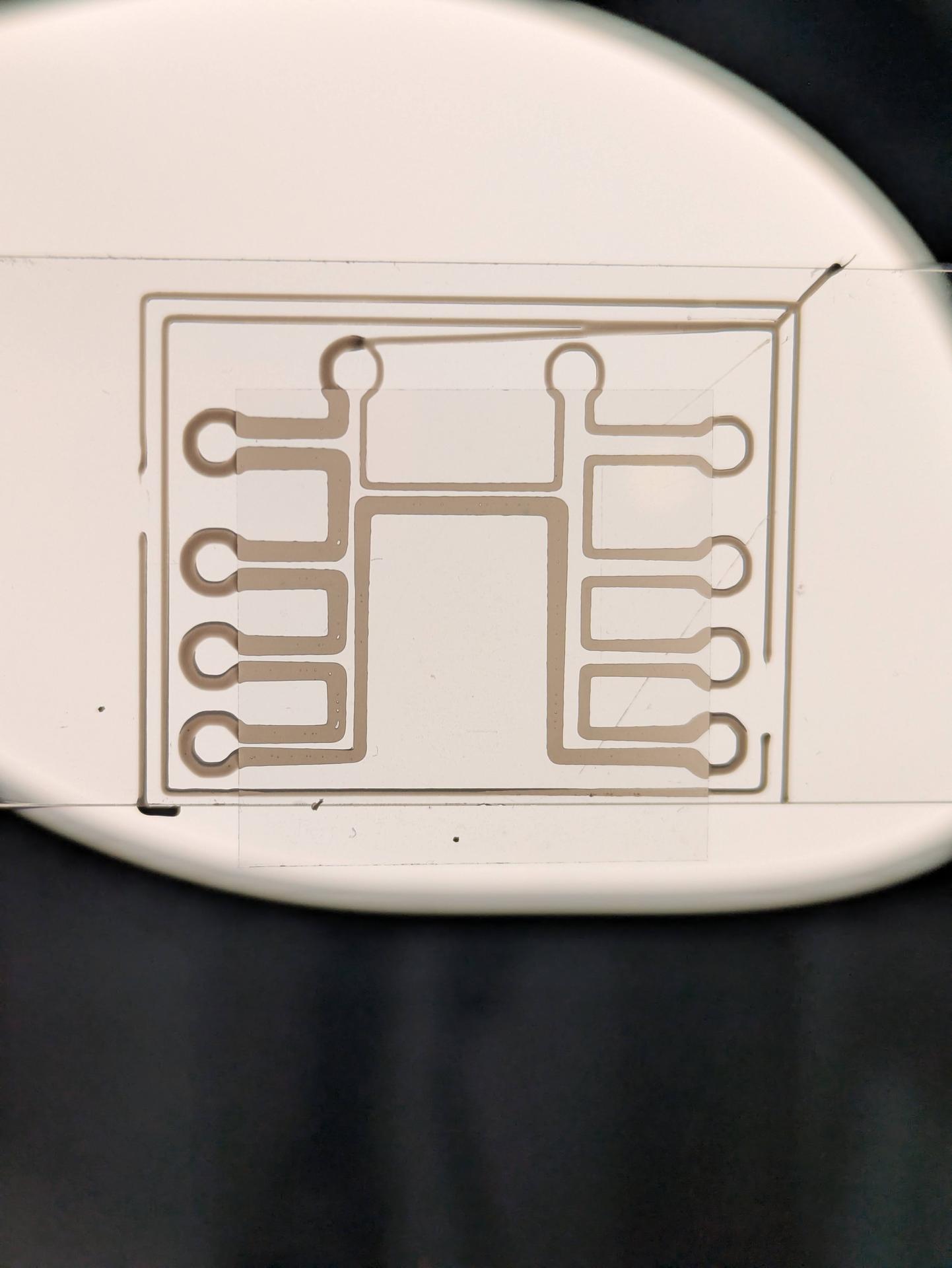
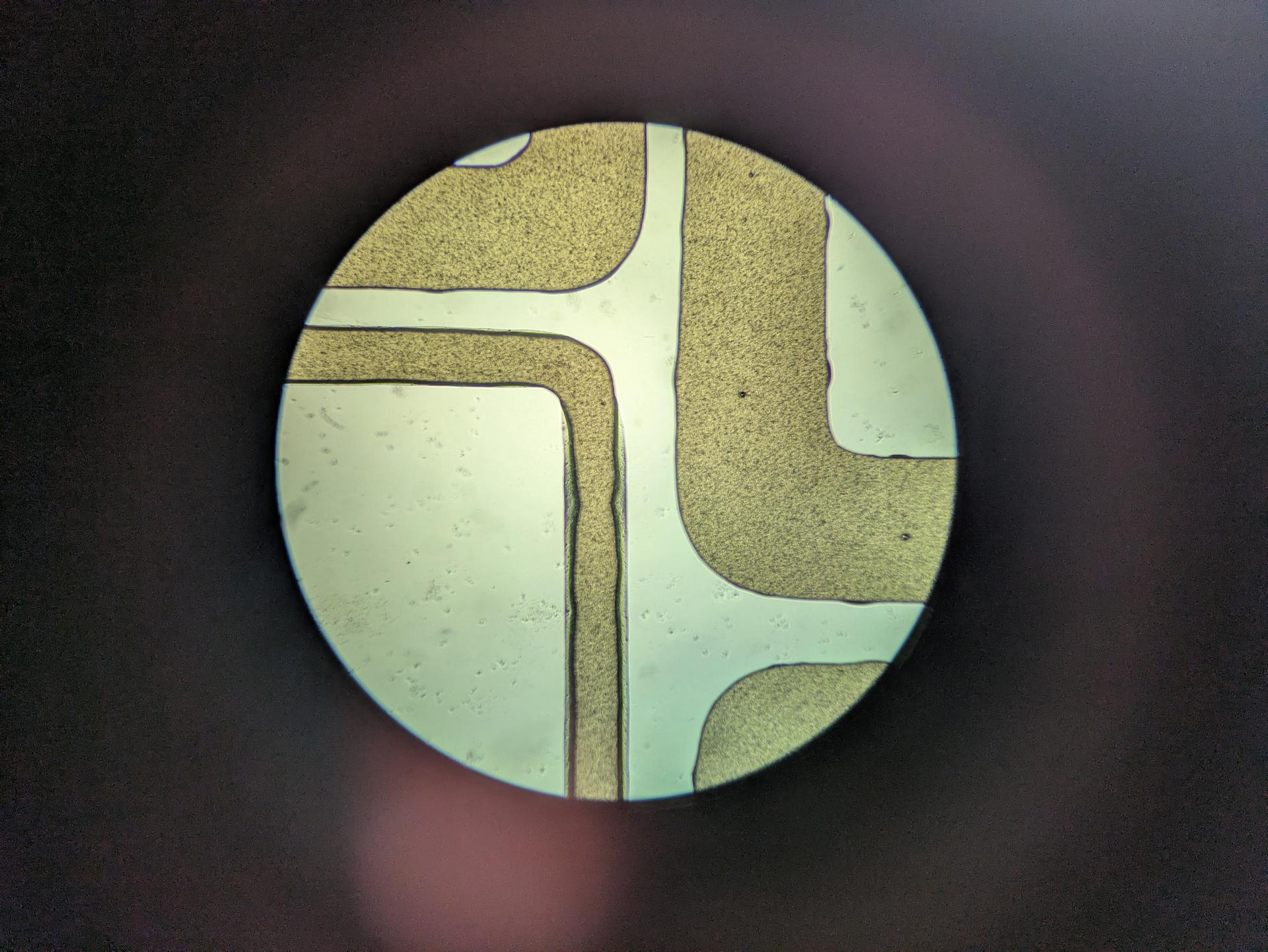
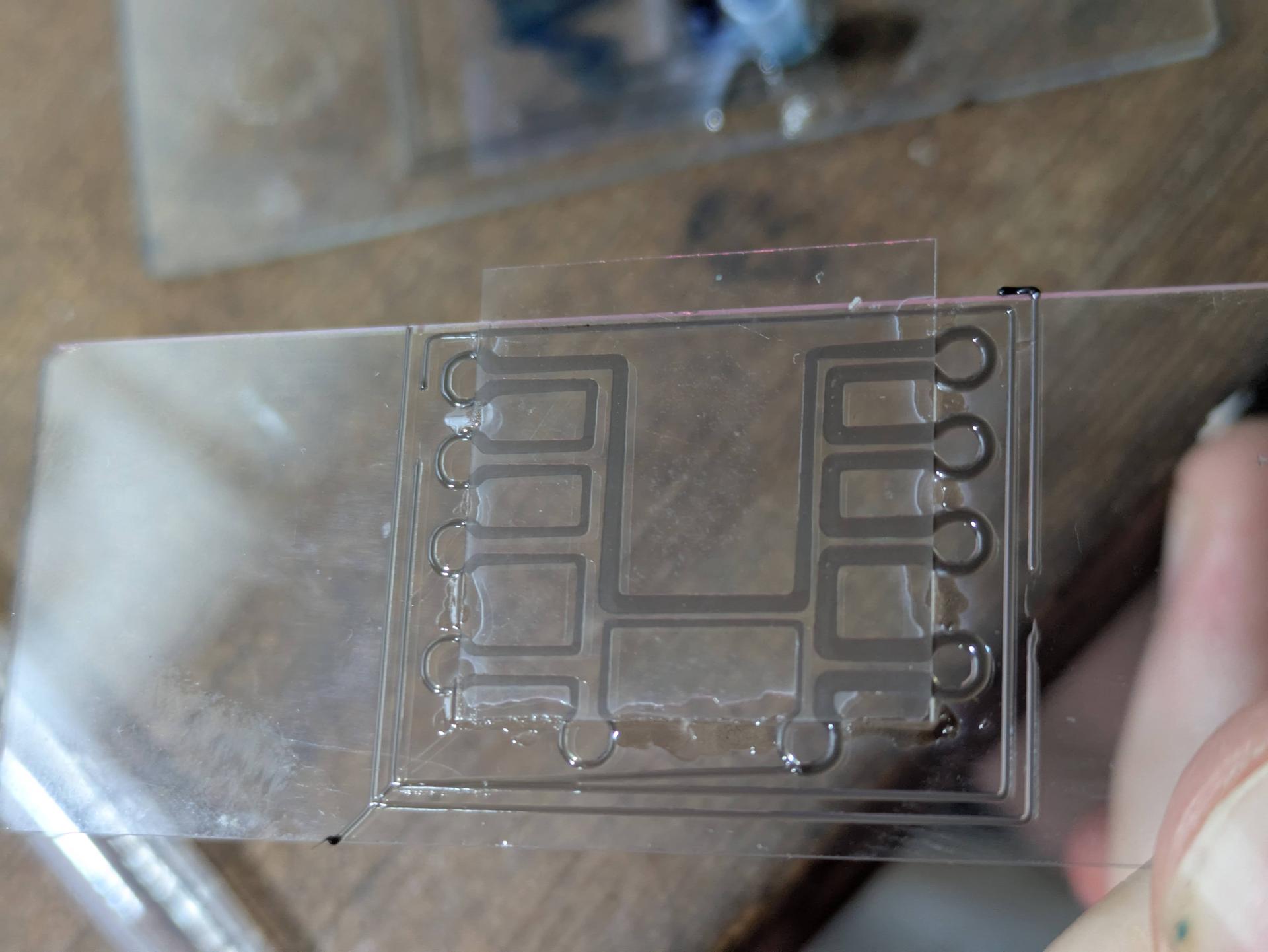
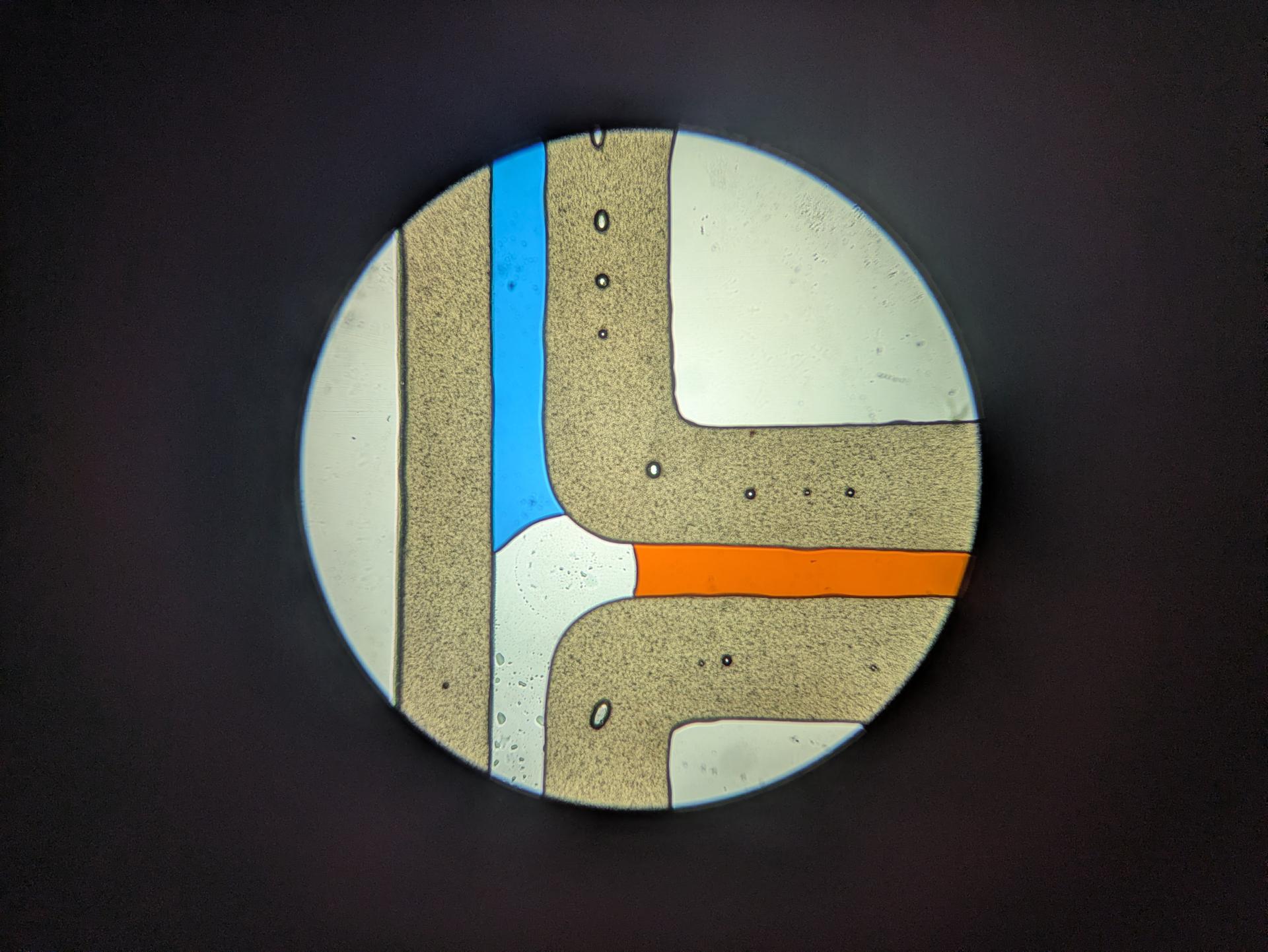
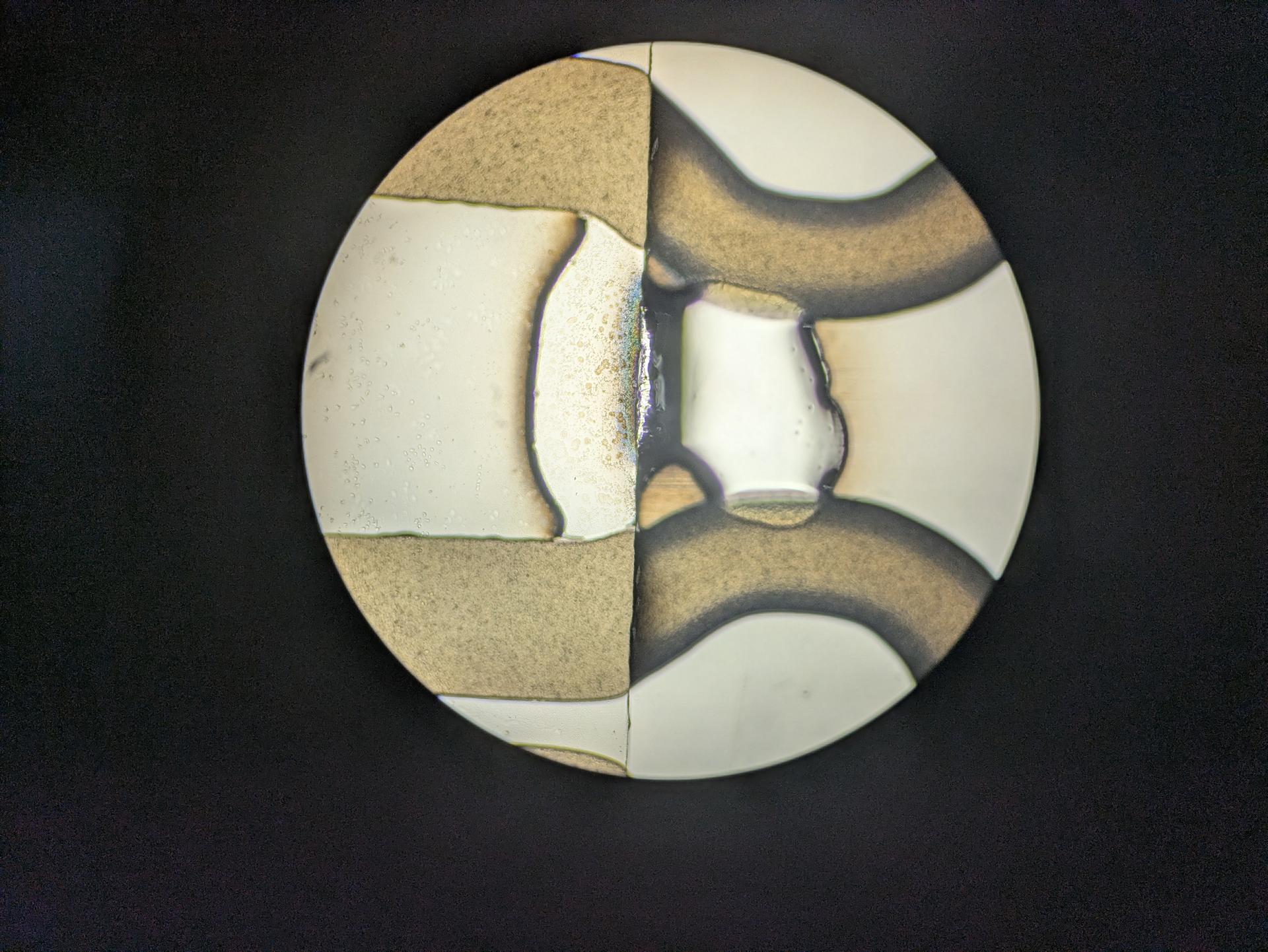
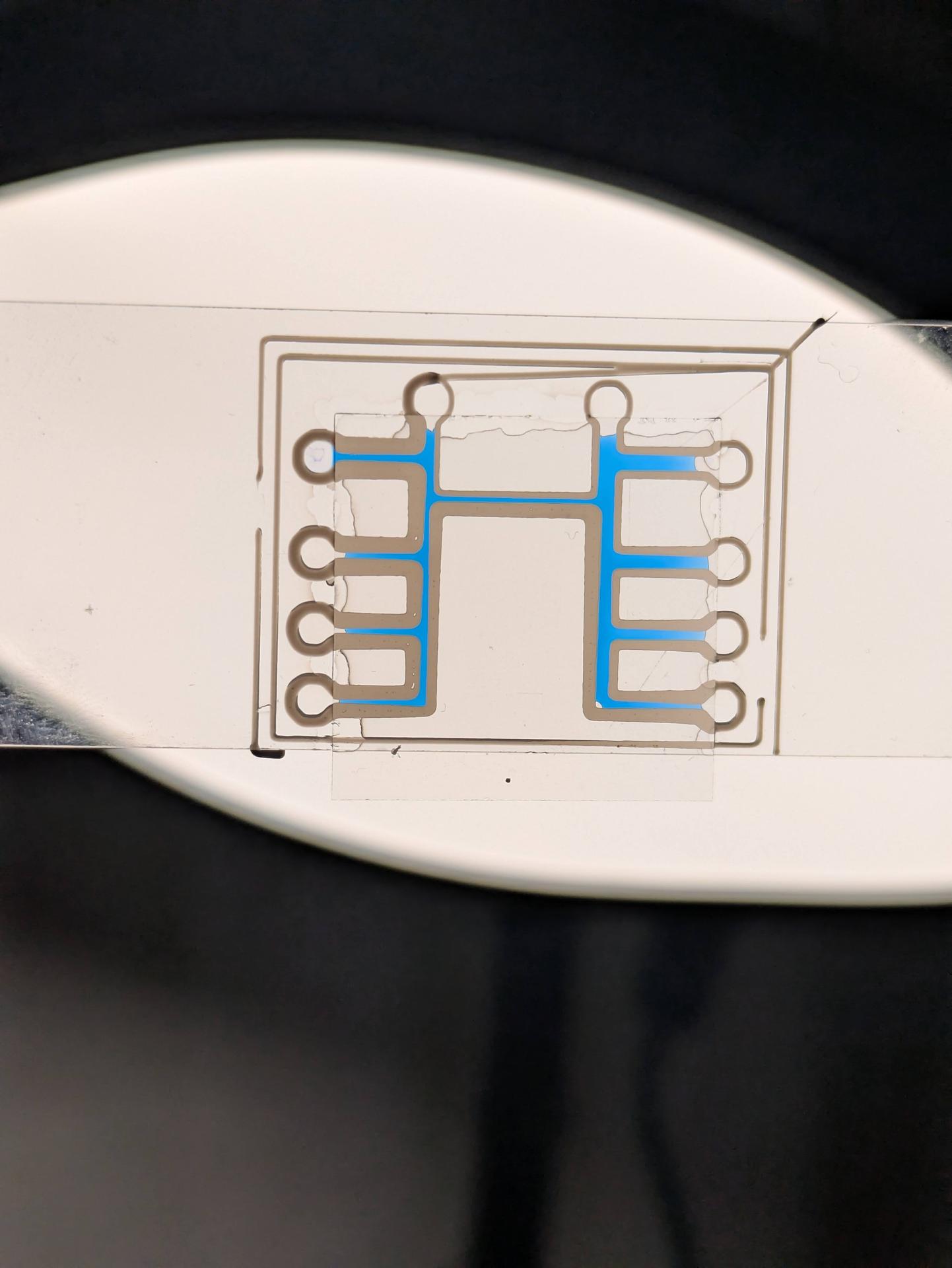
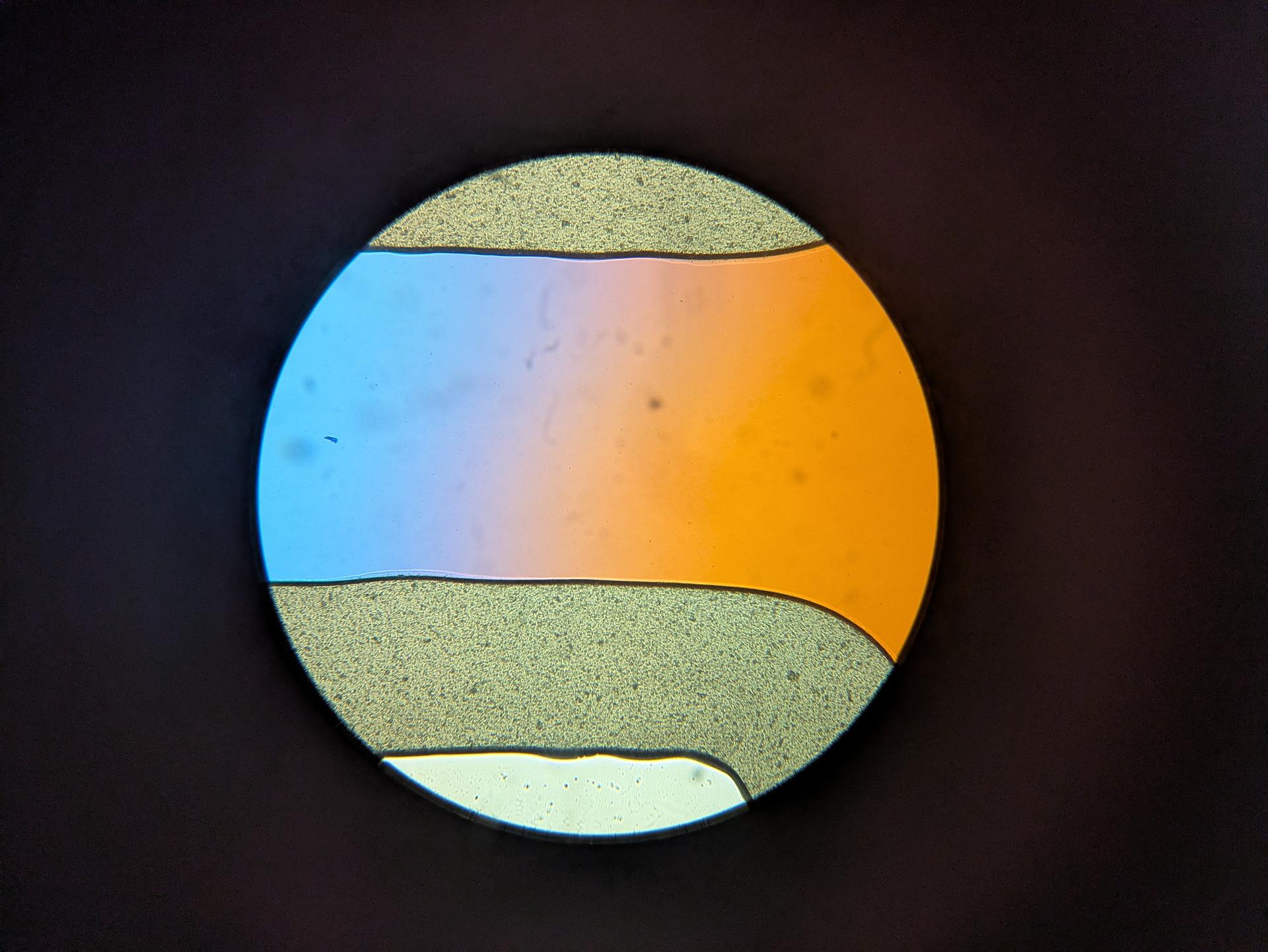
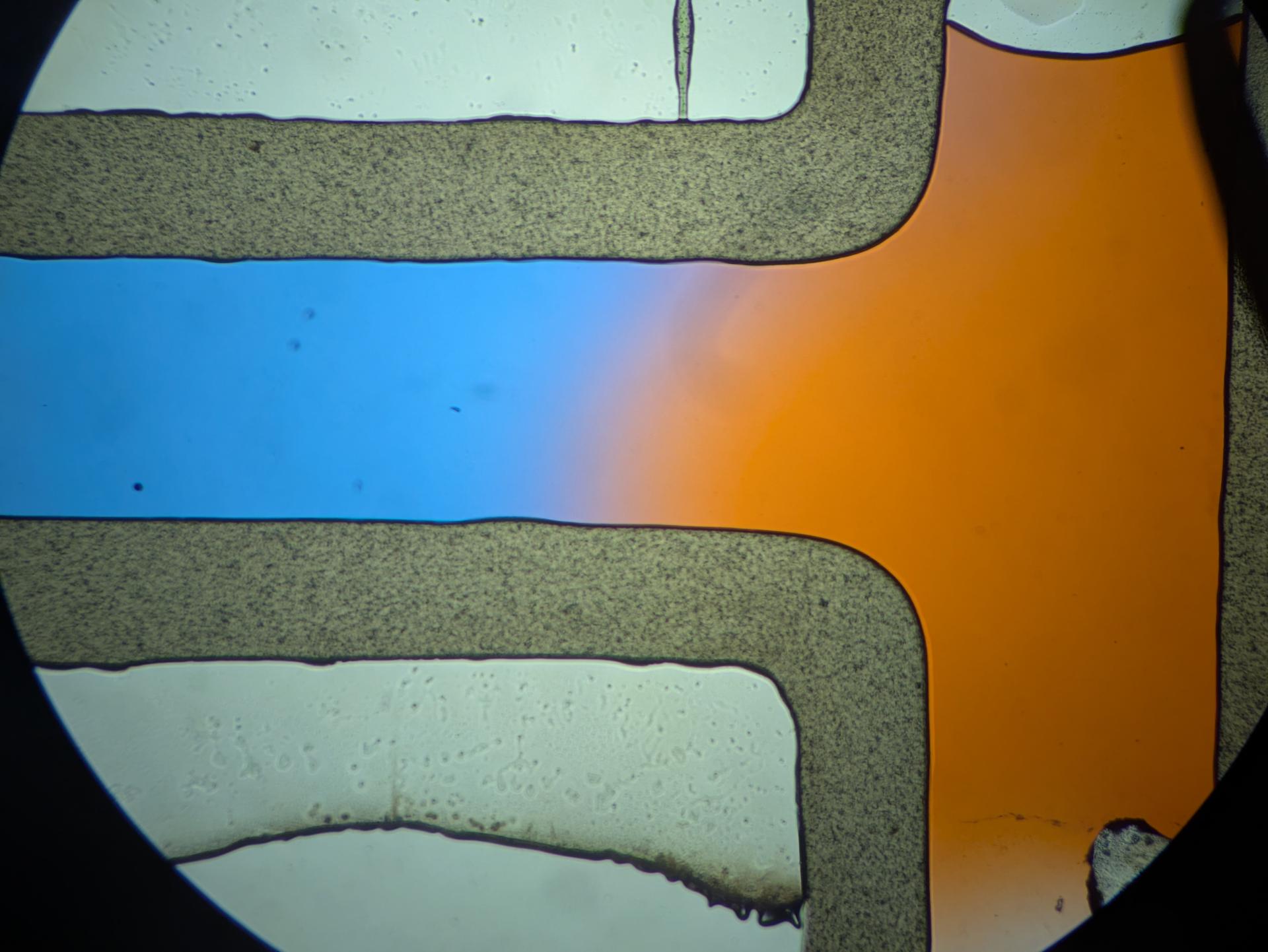
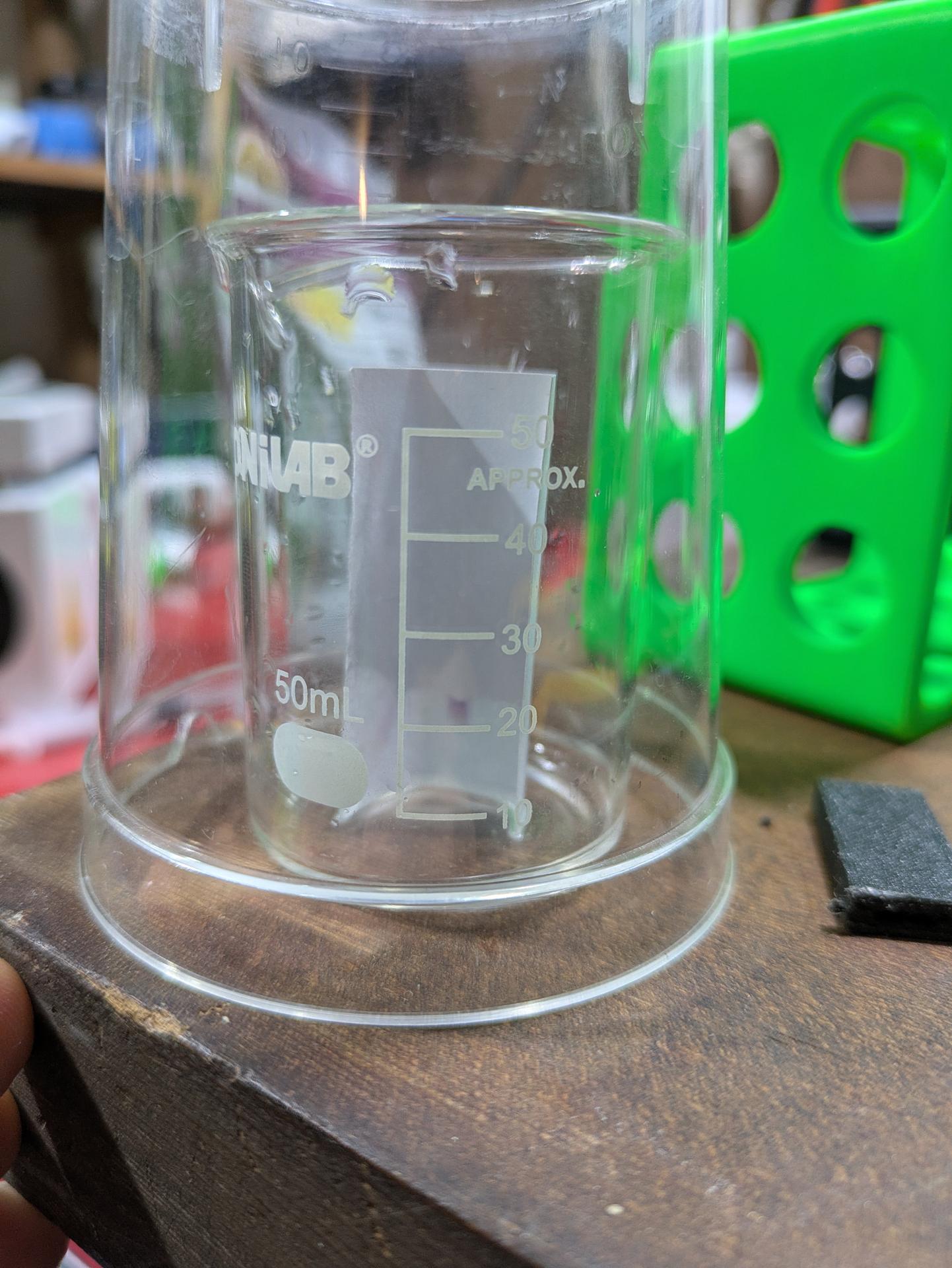
I have just started testing laying down PLA on a glass slide to make microfluidic channels - or maybe just 'fluidic', since the smallest gap I've done is 100um. The main trick is placing a cover slip on top and then setting it on a hot plate set to 180C until the pla melts and forms a sealed surface with the slide+coverslip. Don't leave too long (everything will smush and fuse) but with right timing you can get very nice chips. Make sure glass is clean. I have script I'm tweaking for custom gcode gen. Will obv post more. For now, glamor shots of early tests:

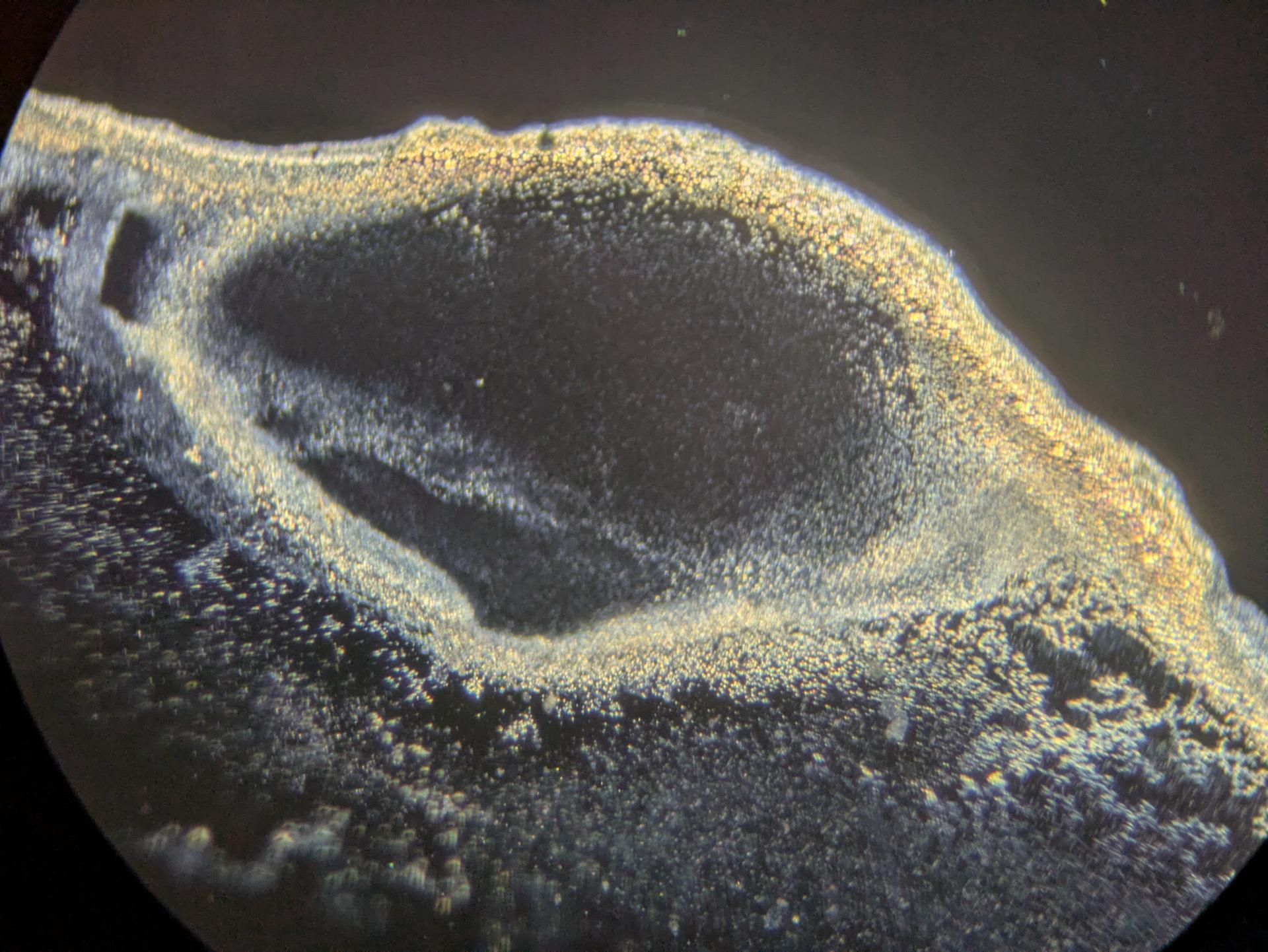
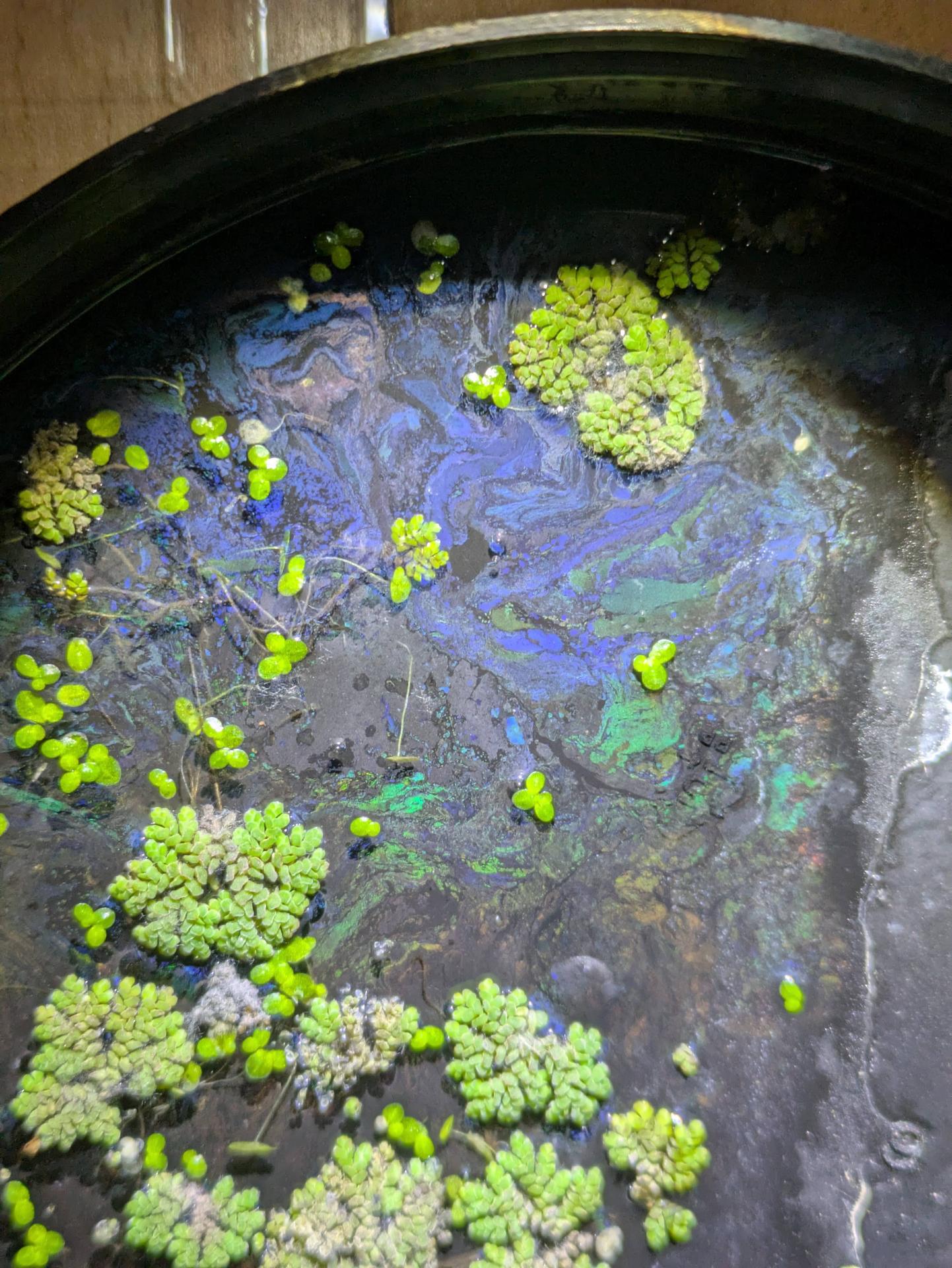
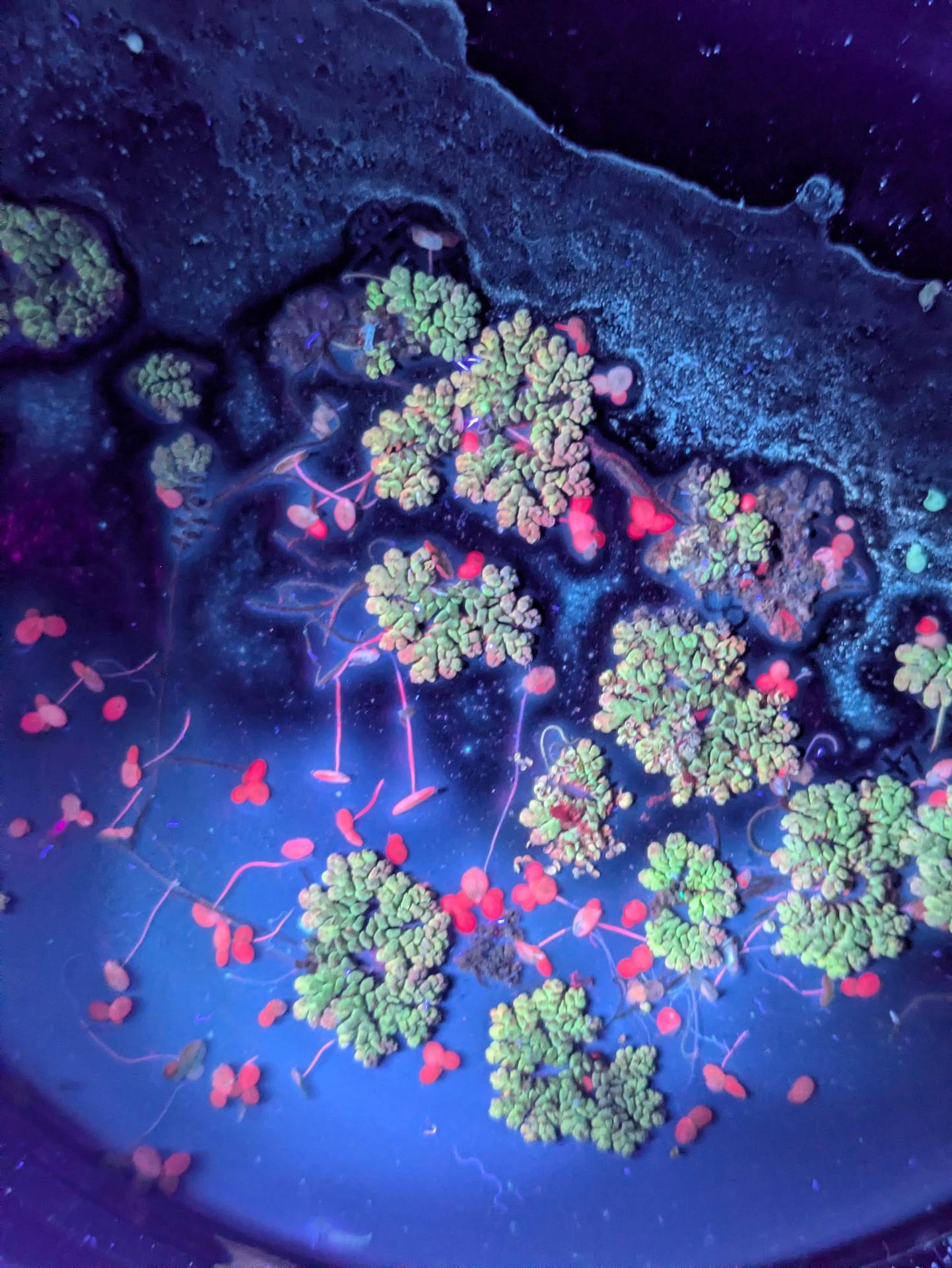
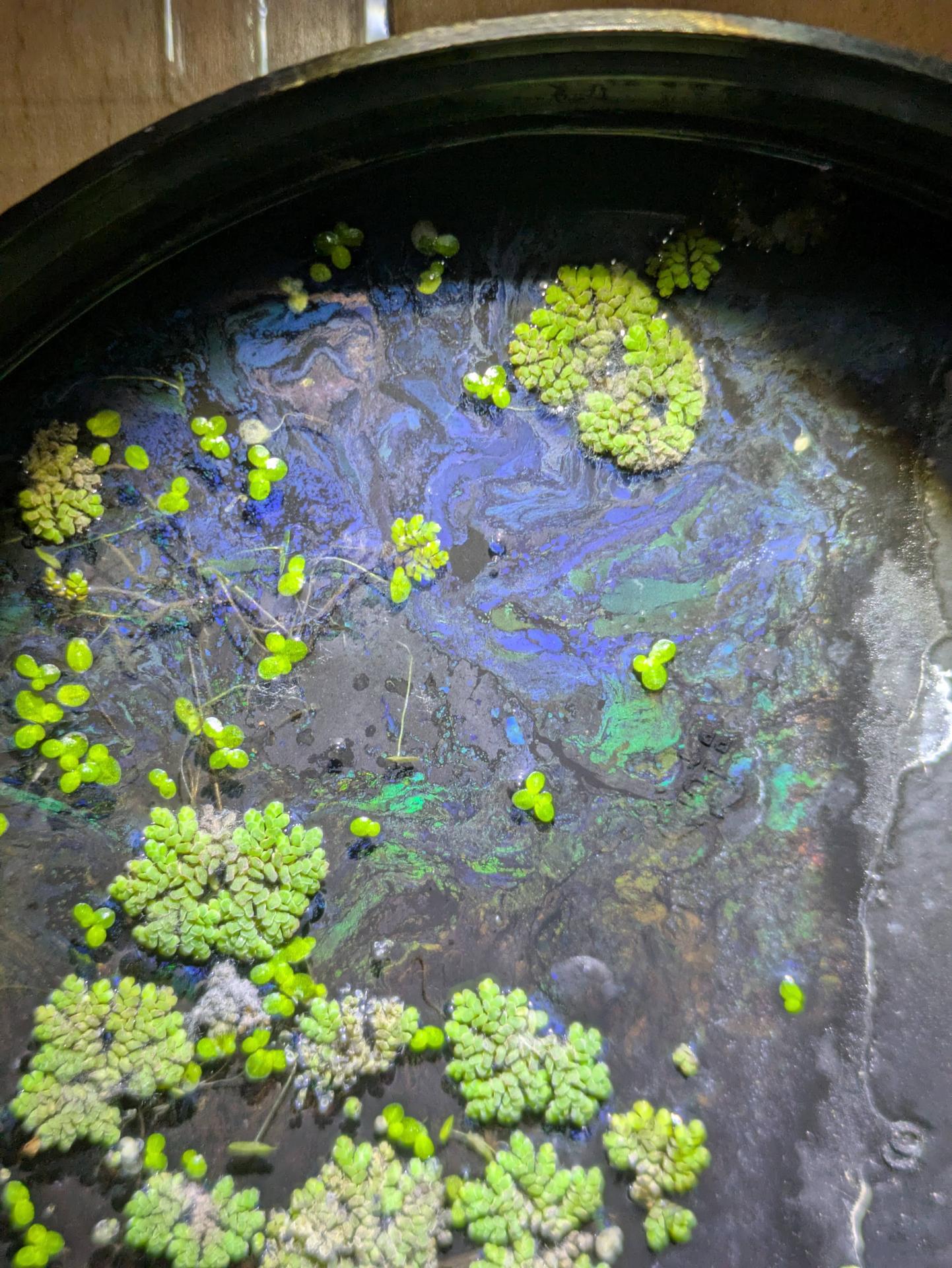
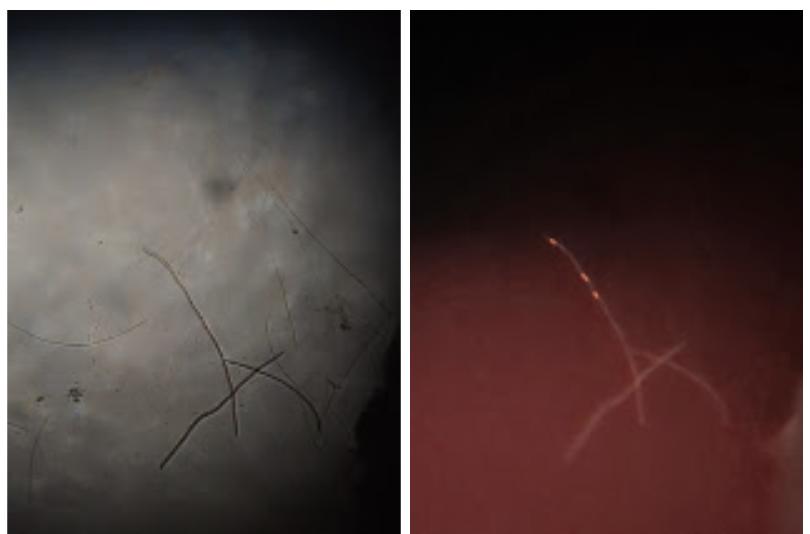
Cool irridescence in biofilm of water ferns

Permalink

Illumination makes the difference :) (Pics from a week or two ago)

Purple tomato leaf anthocyanins

Permalink

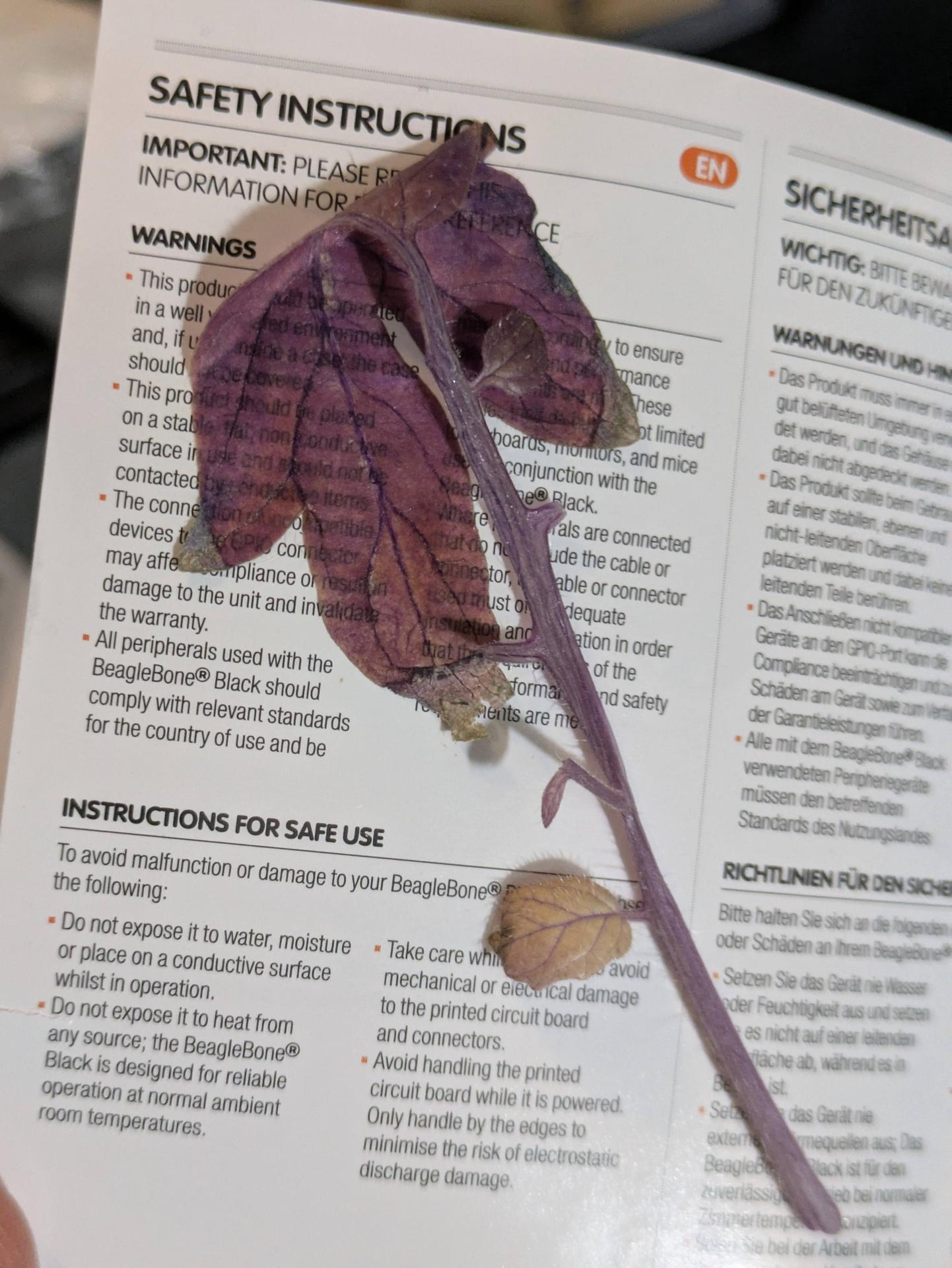
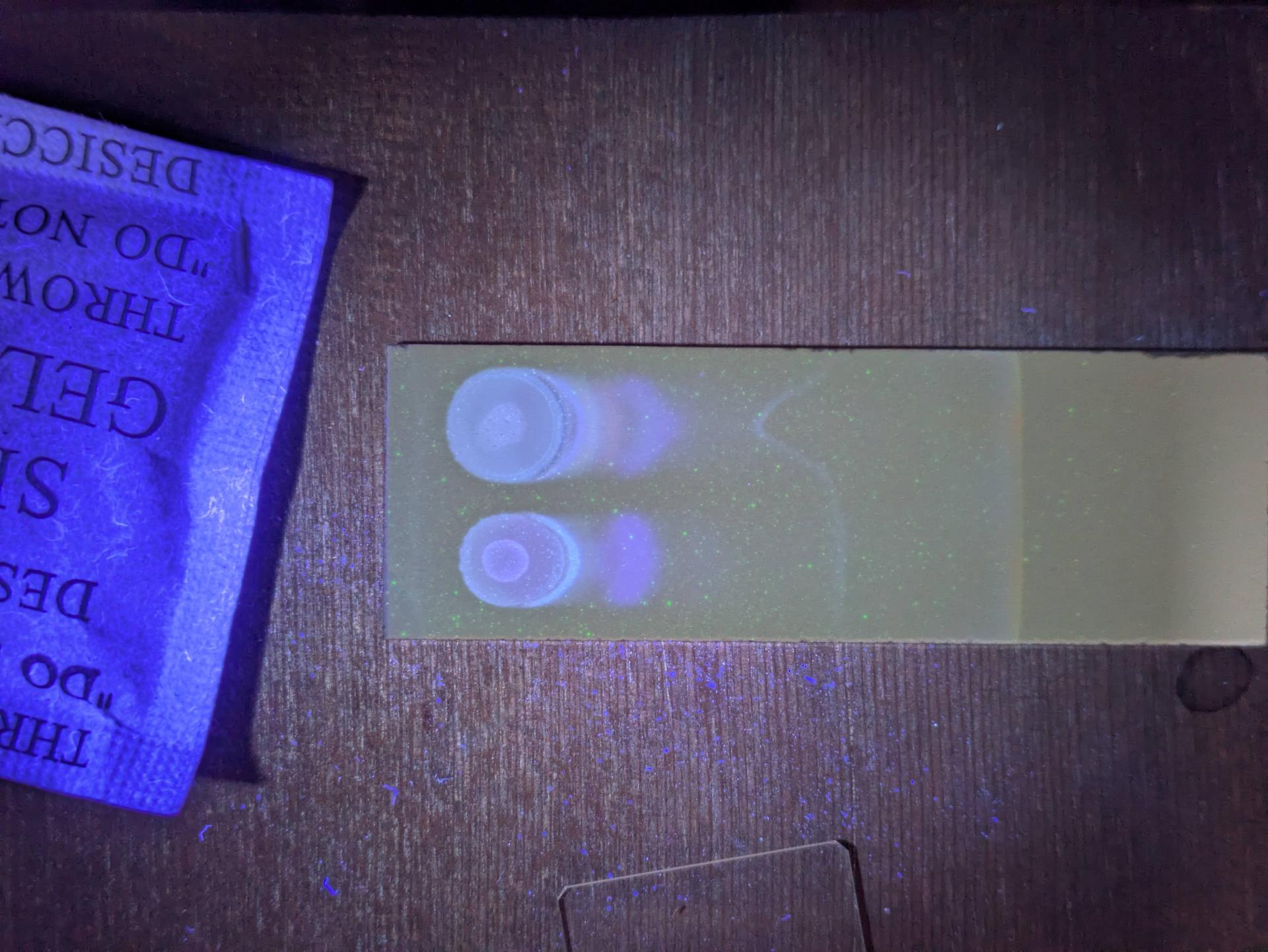
Had some old leaves looking sad on a purple tomato plant, very little green, purple showing especially bottom.
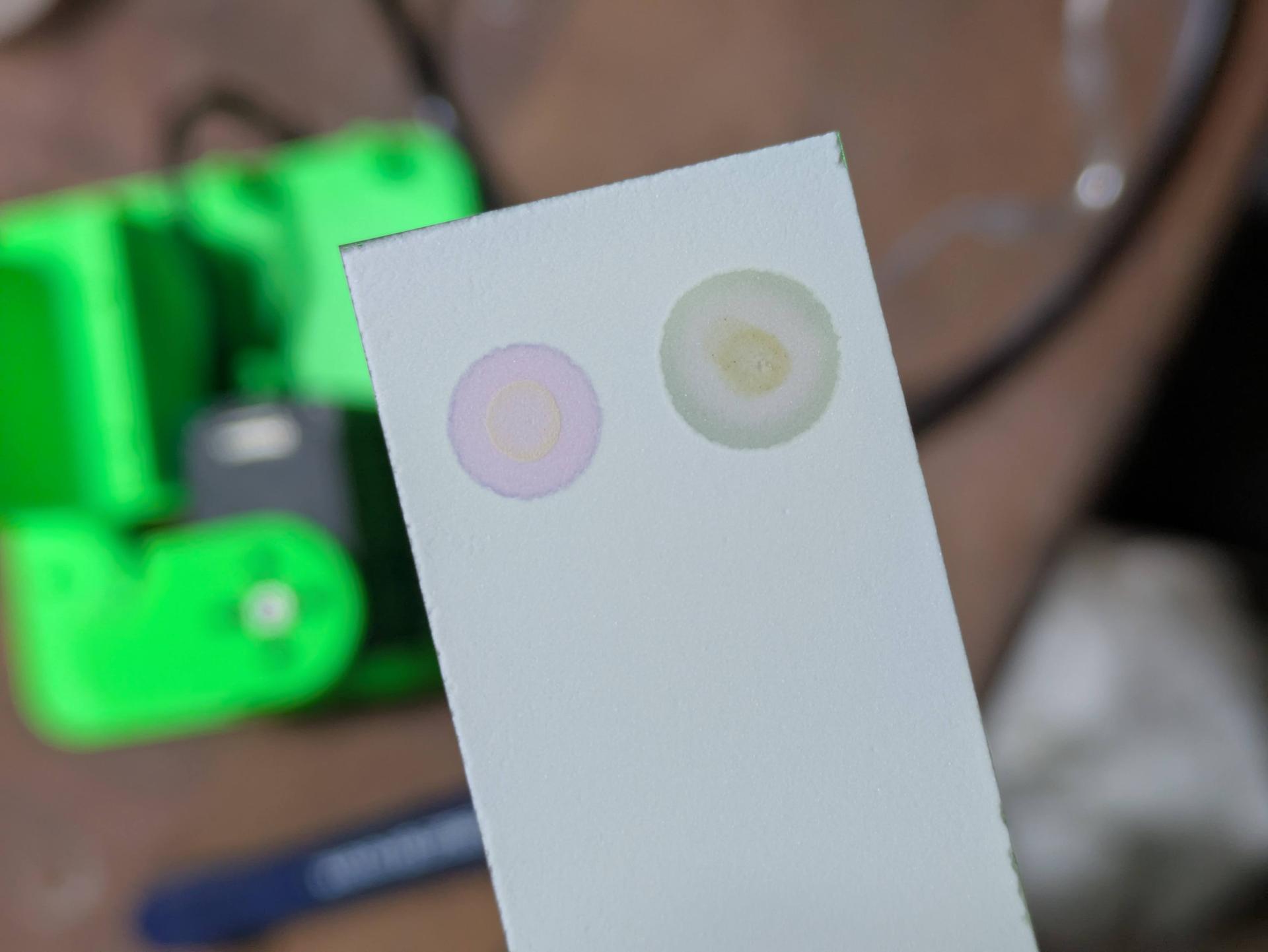
Crushed some up in a little 70% ethanol, one batch with a pinch of citric acid to acidify.
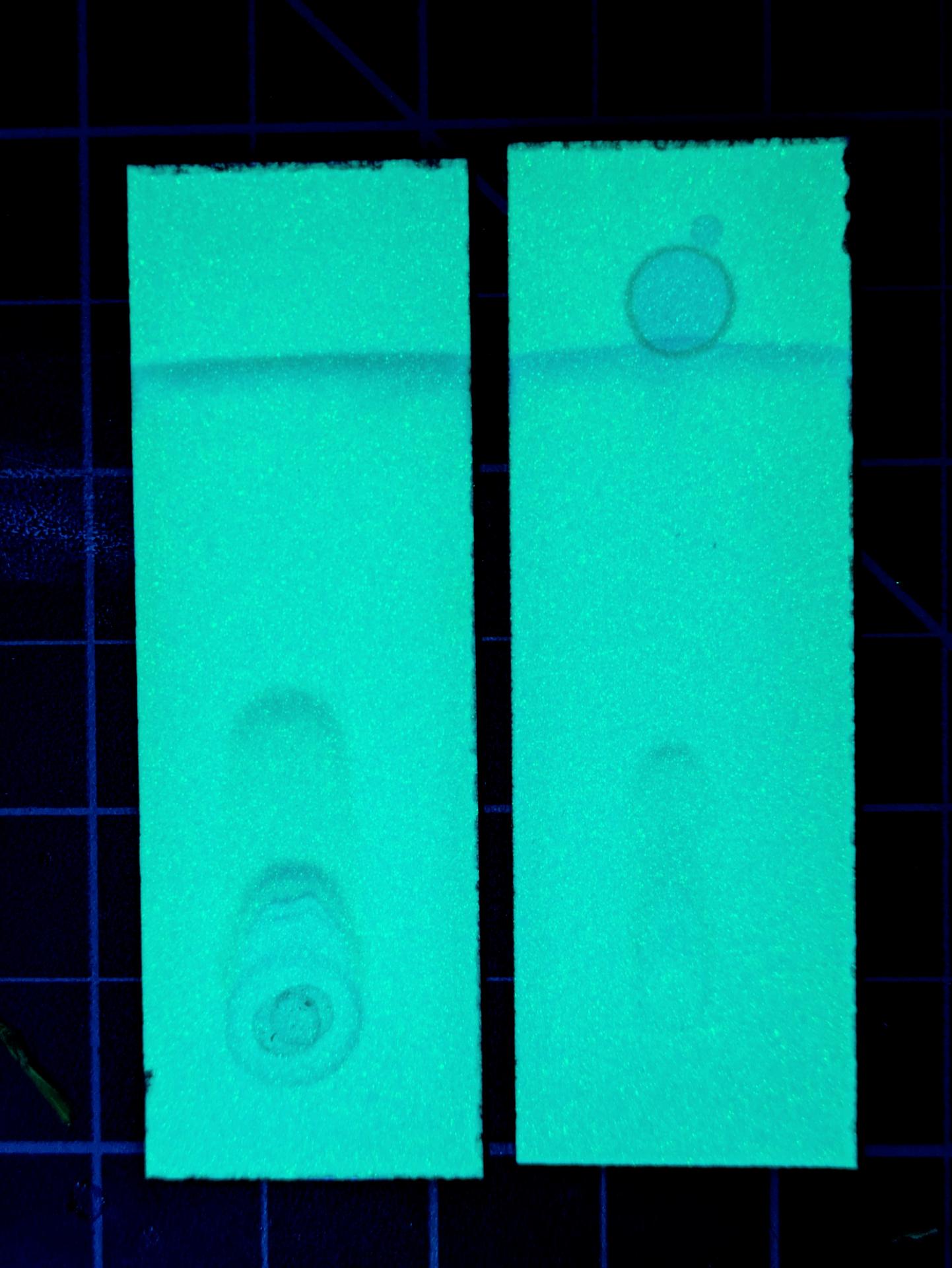
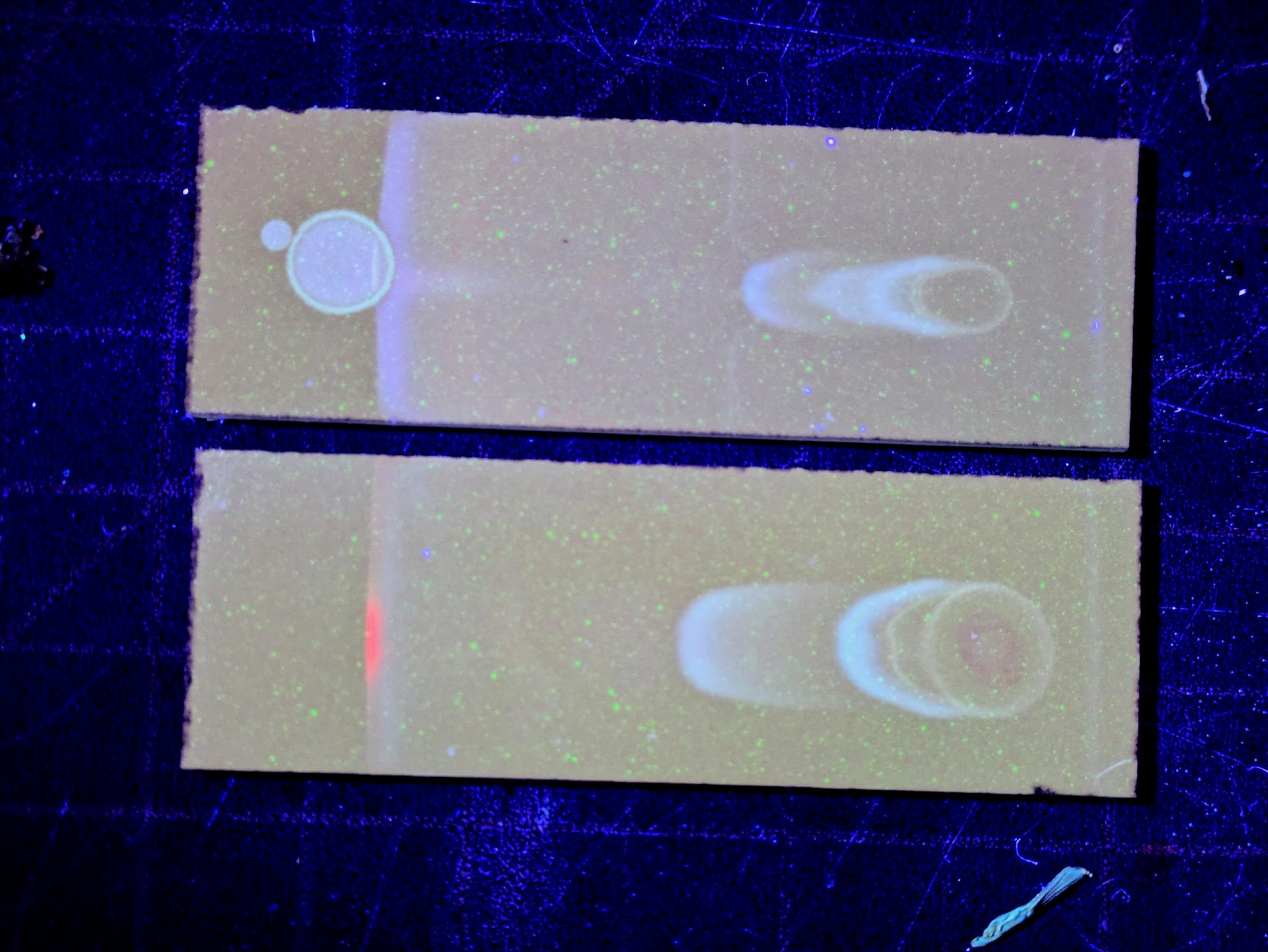
Ran TLC plate with 8:1:1 ea:water:vinegar, but the pigments mostly stayed put. Some other fluorescent stuff moved though.
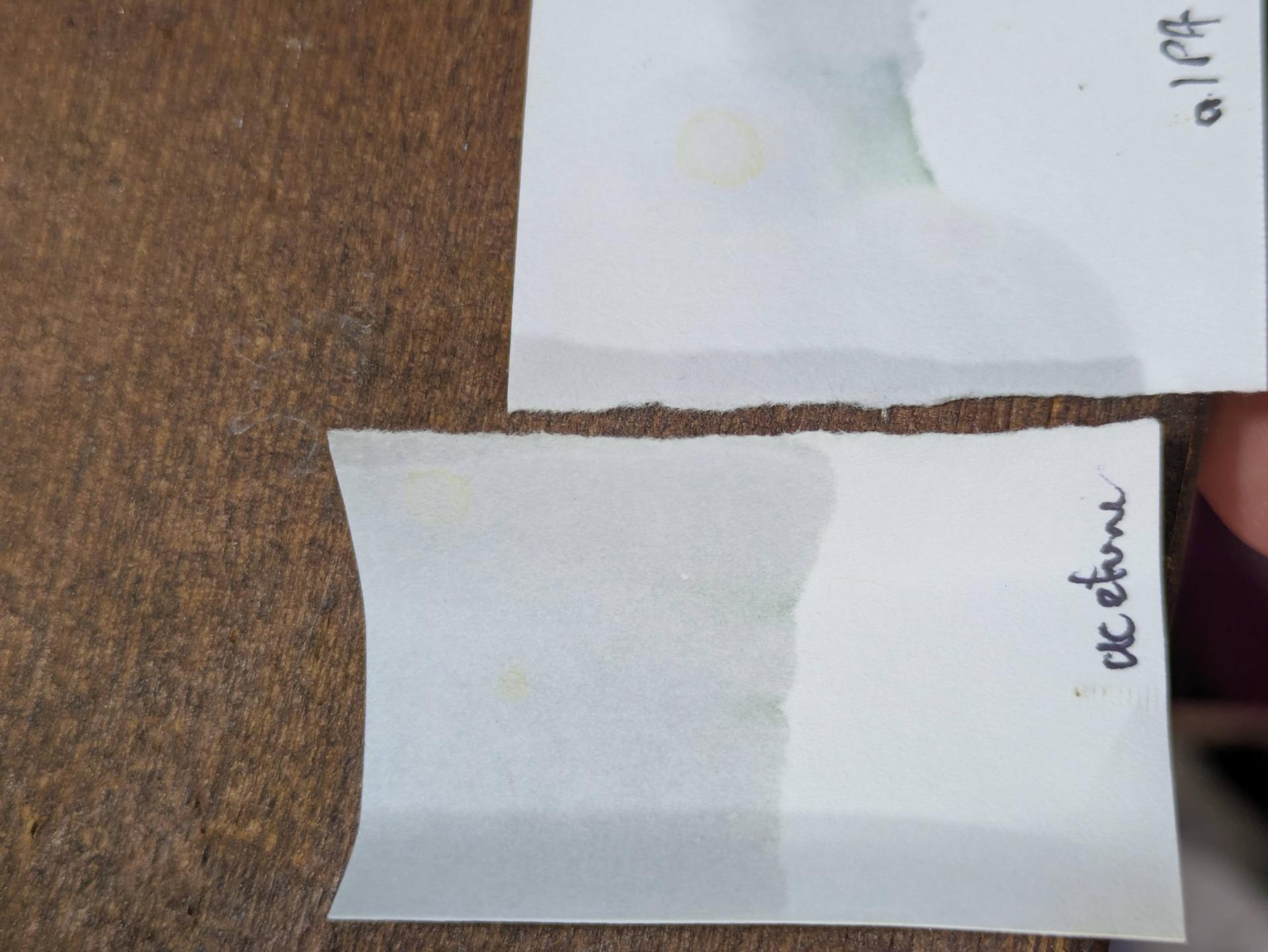
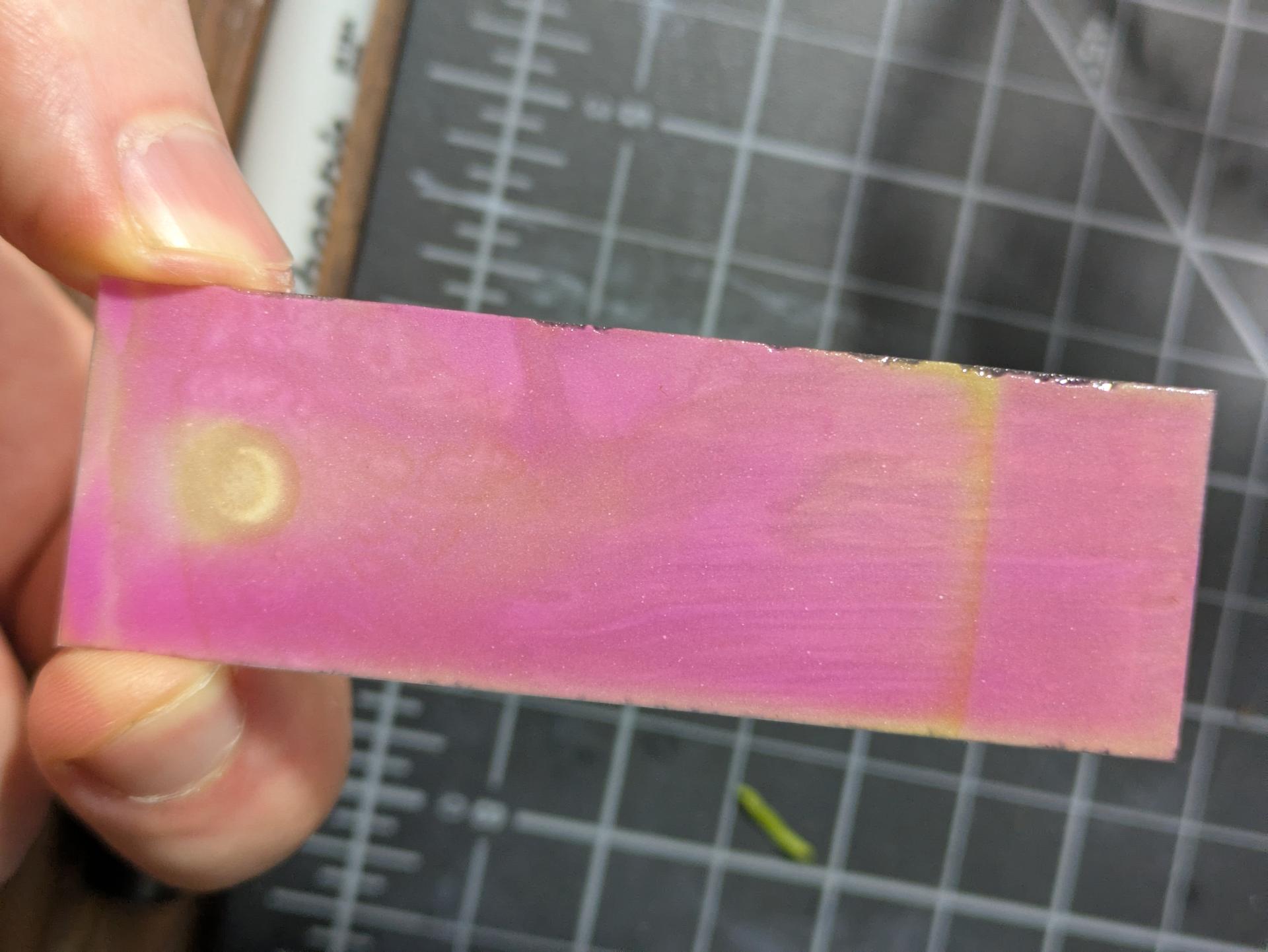
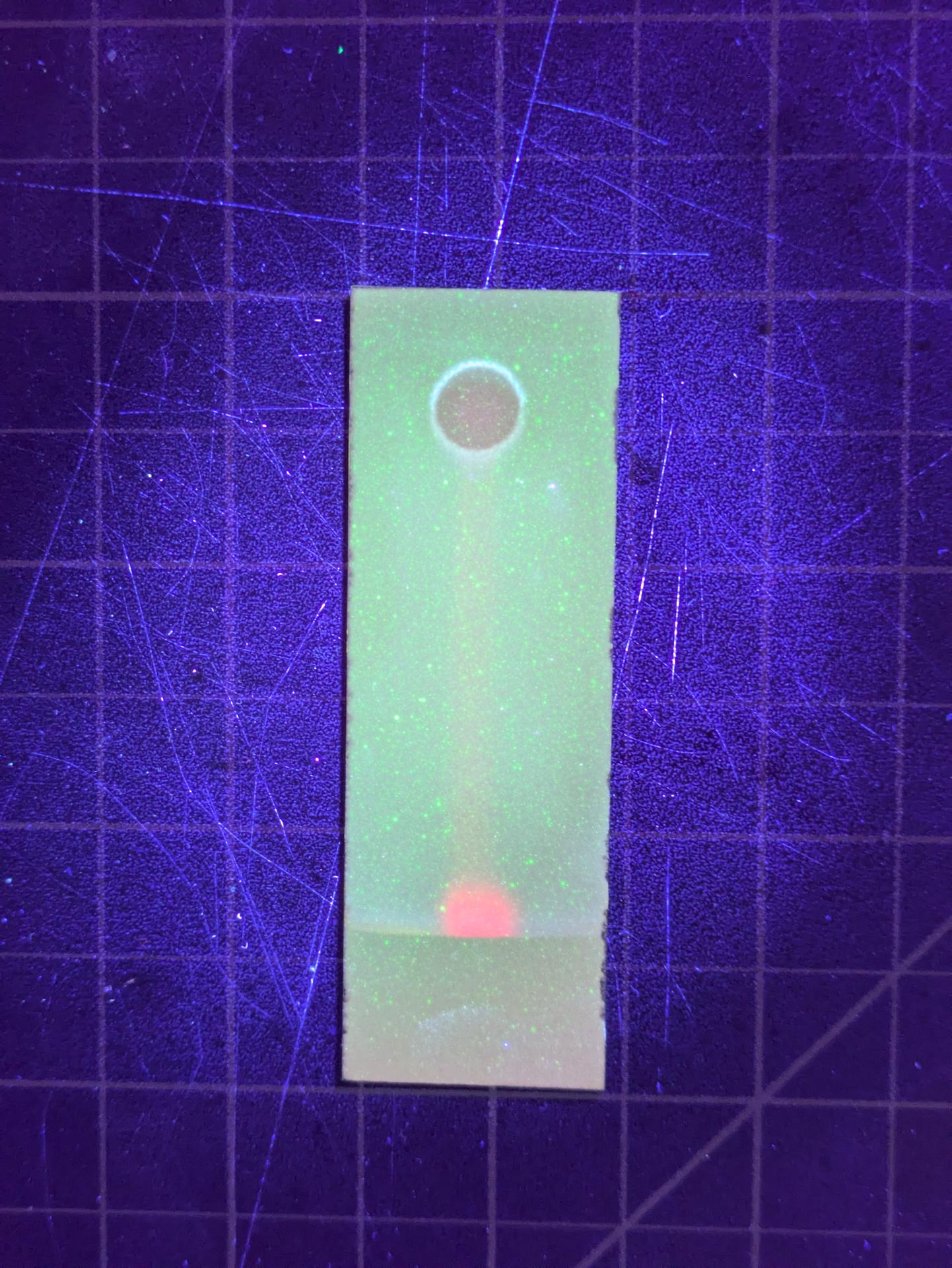
Tried paper with acetone (+water & vinegar) and with IPA (70%, with a drop or two of vinegar) without nice results on either, could tweak if I cared, the IPA carried it too well and it stayed at the front.
Coolest thing is the color diff acidified vs not.
Also squished a leaf into a leaf print in my physical lab notebook.
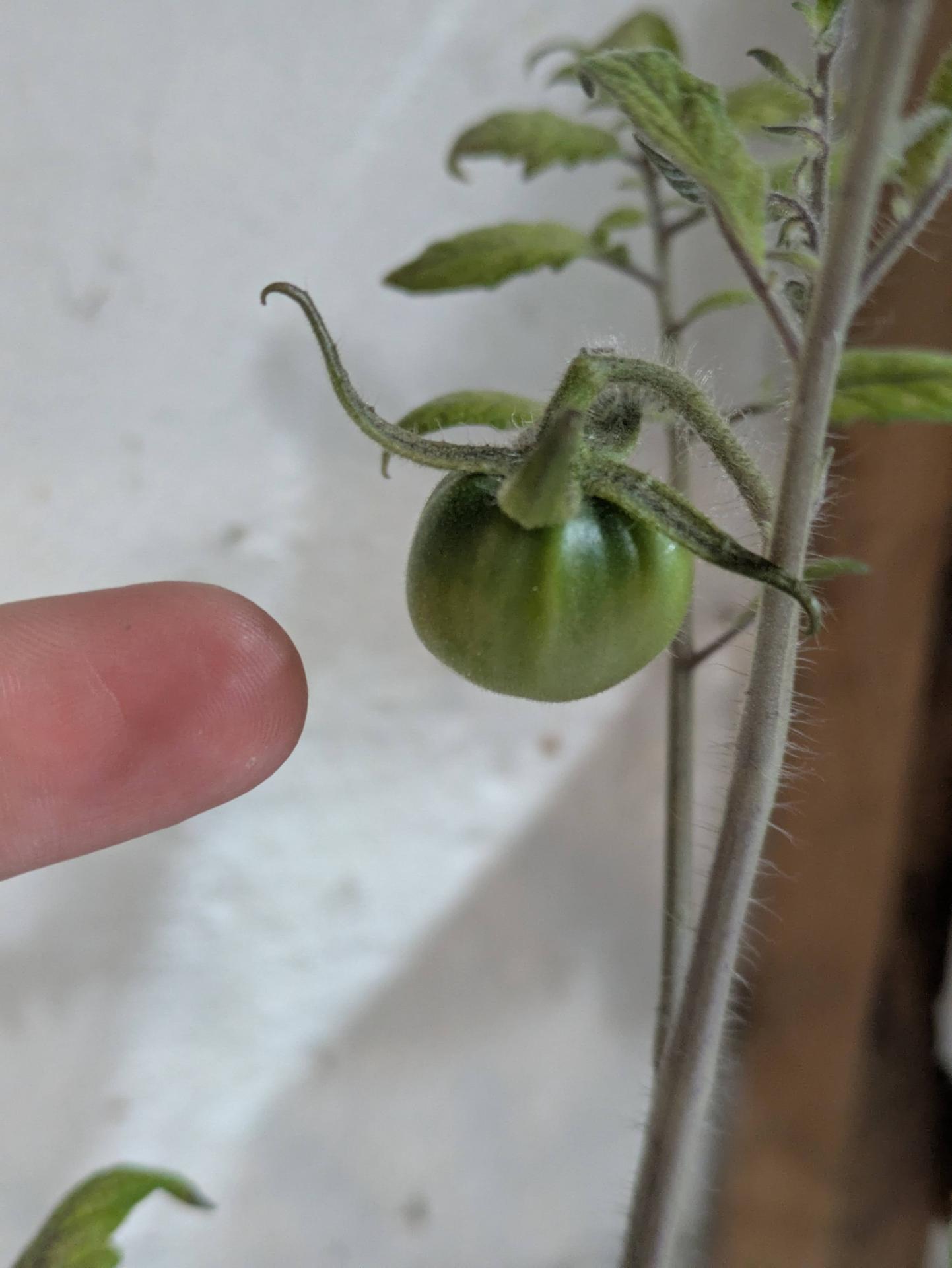
Single indoor tomato is ~2cm across, outdoor plant has 5 flowers starting :D

Icream poppers

Permalink

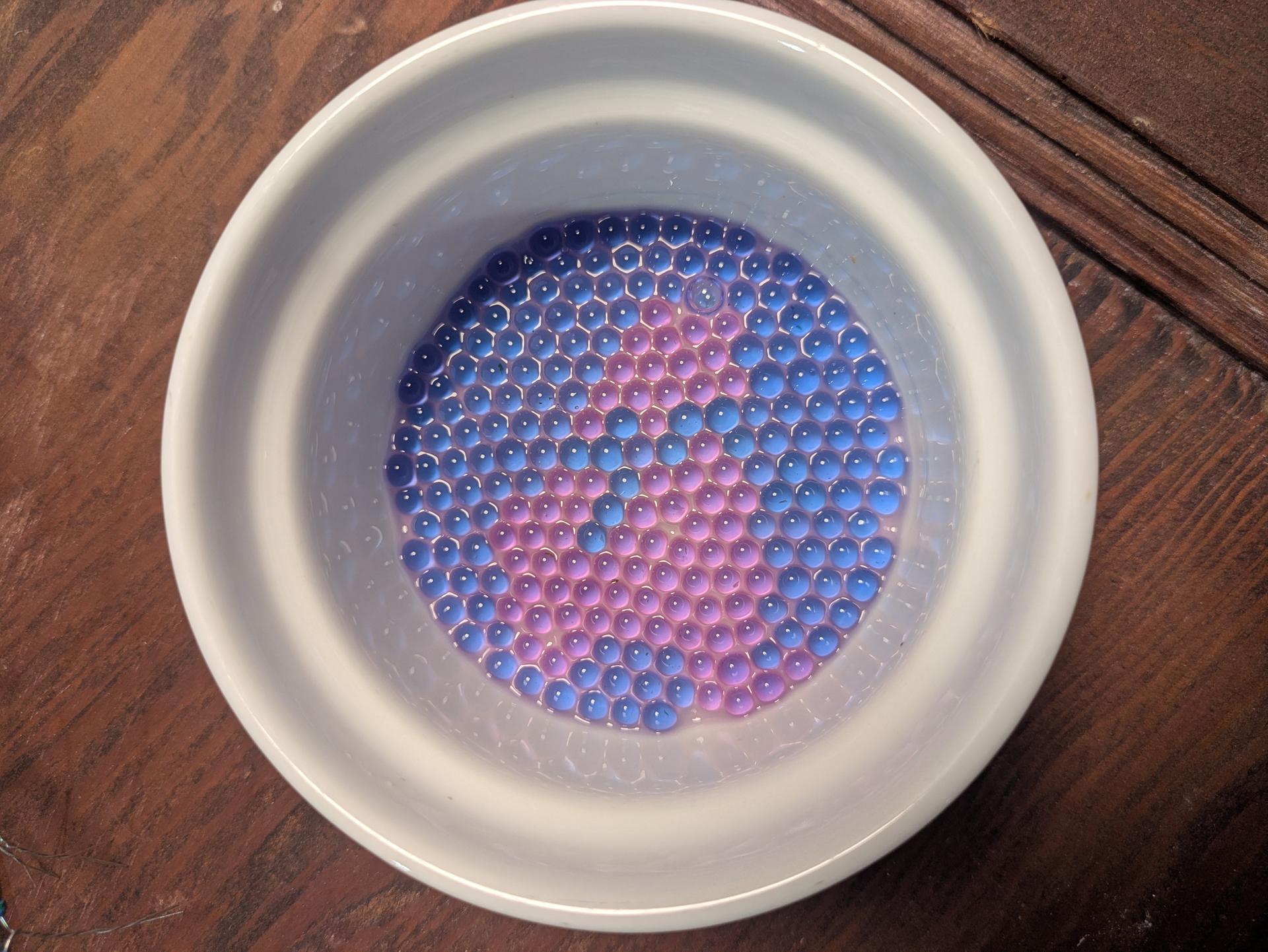
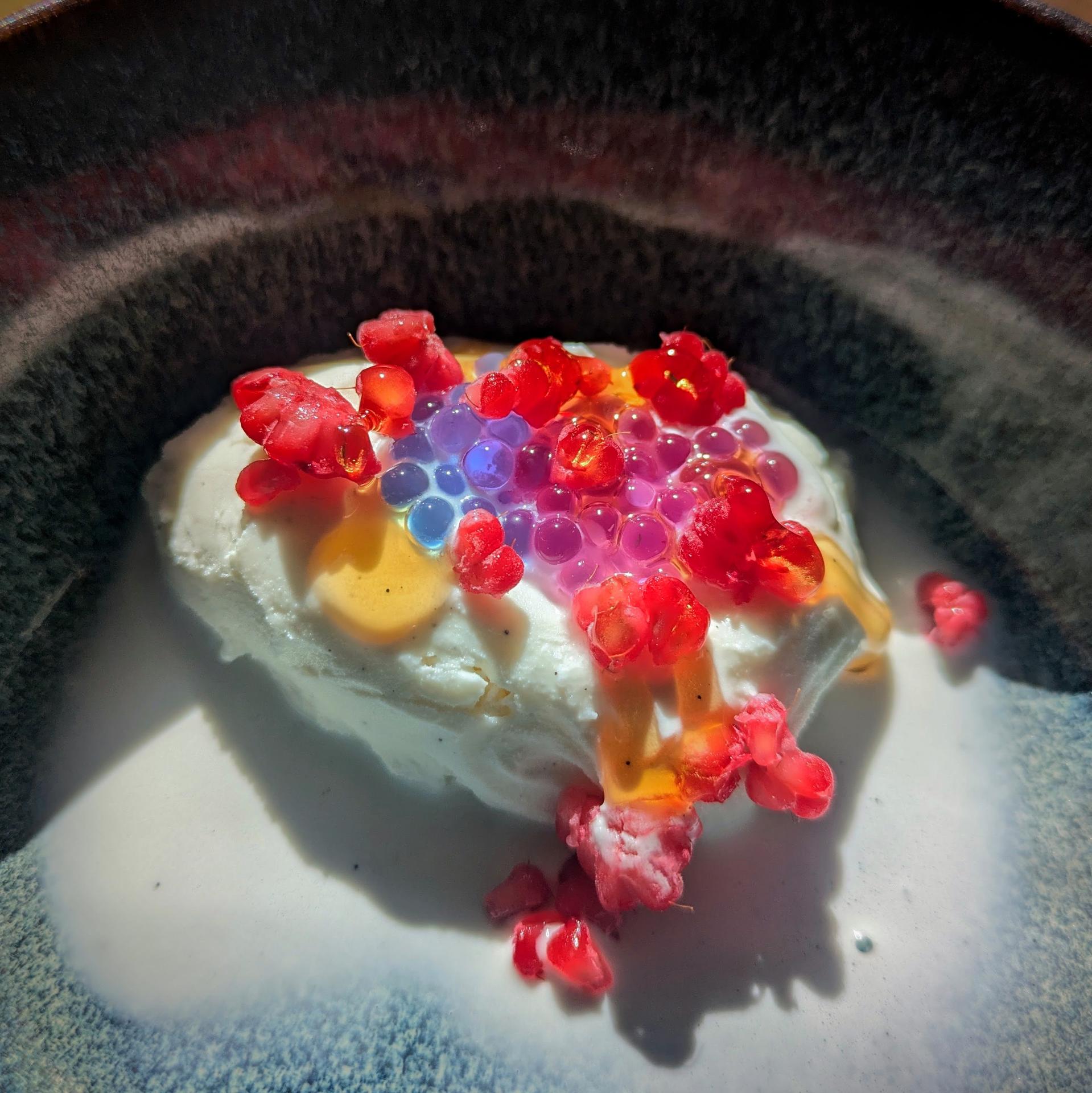
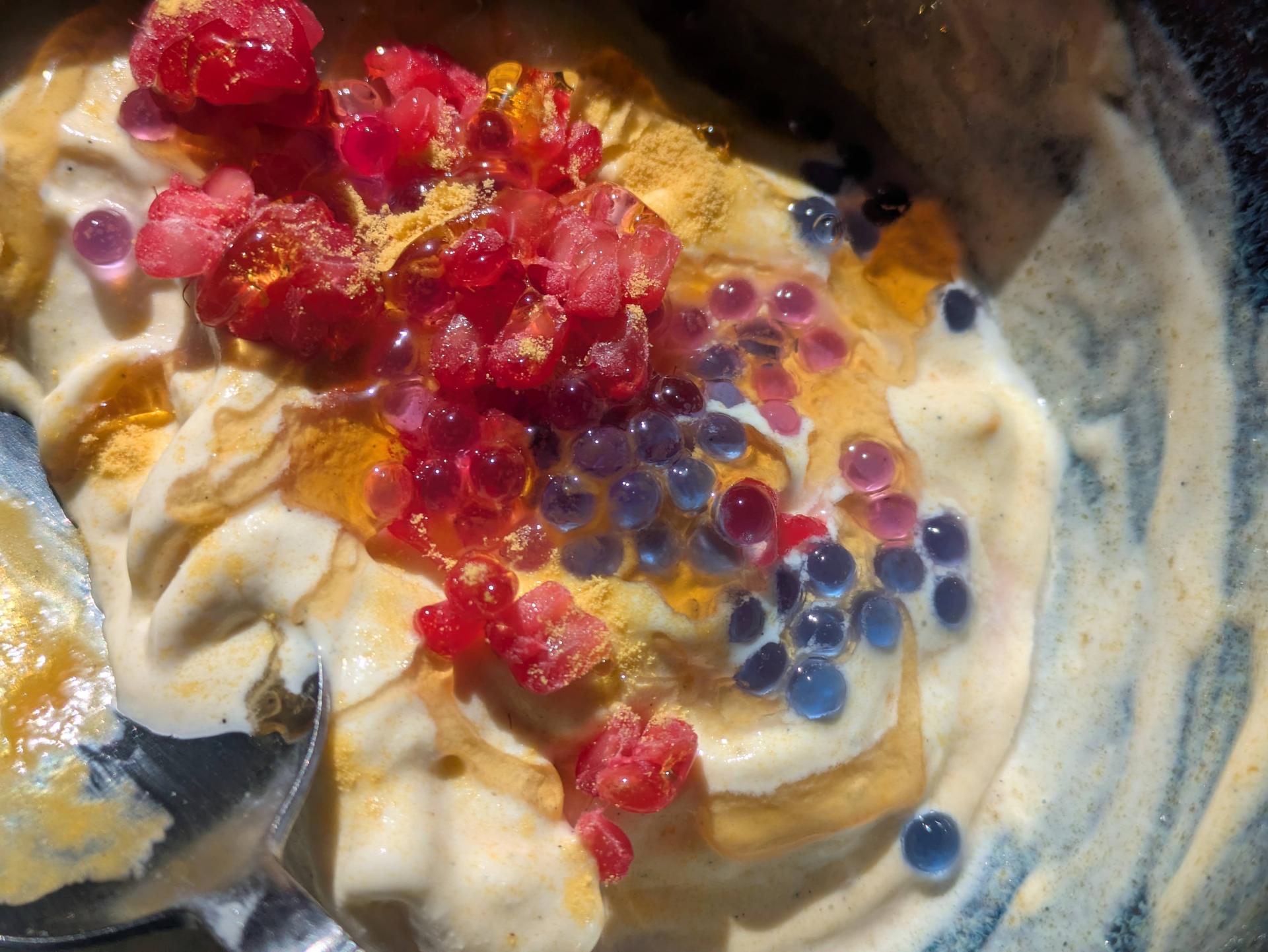
1) 1tsp blue 'butterfly pea' flowers in 100ml hot water to make a 'tea'
2) 6g sugar + 0.3g sodium alginate (mix) + pinch of salt (optional) + 55ml of the tea from 1, stit (I used dril + stir stick) or blend, leave to cool and settle
3) Prep calcium chloride bath: 0.5% CaCl2 (e.g. 0.75g in 150ml water)
4) 'Acid syrup' to change the color of some, 6g sugar, maybe 1g total of ascorbic + citric acid (worked with much lower conc too but I like the tang)

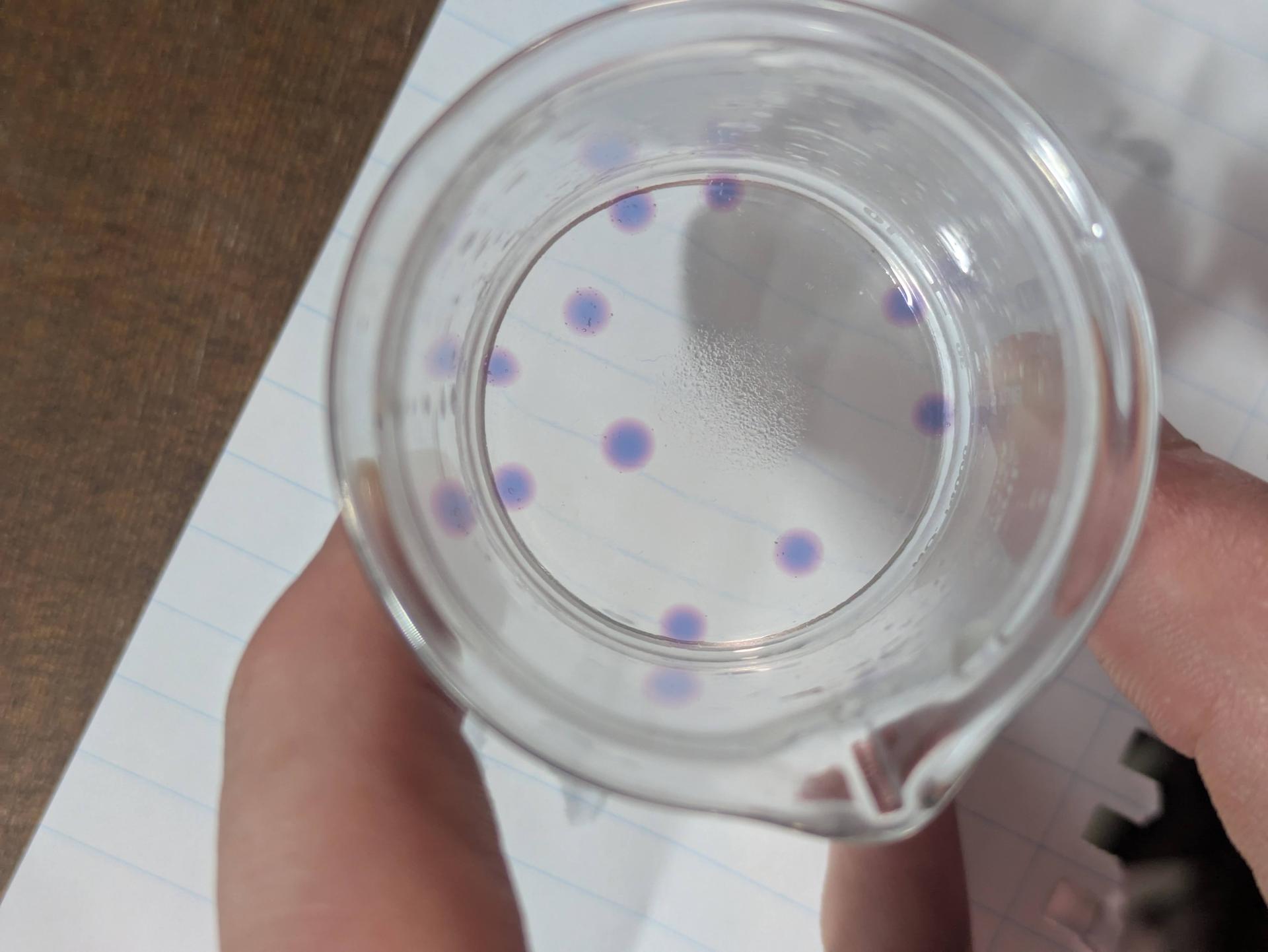
Slowly drip droplets of cold (2) mix into (3) bath after swirling to get a circular current going. Little beads/balls form, strain them out after a minute or so (shorter time = thinner skin). Can wash in water or put them in the acid syrup to start changing color.

I served on ice-cream (batch 2 had passion fruit powder stirred in) with honey and frozen raspberry chunks. Extremely tasty, the balls were fun texture plus a hint of sweet tanginess.

Opentrons

Permalink

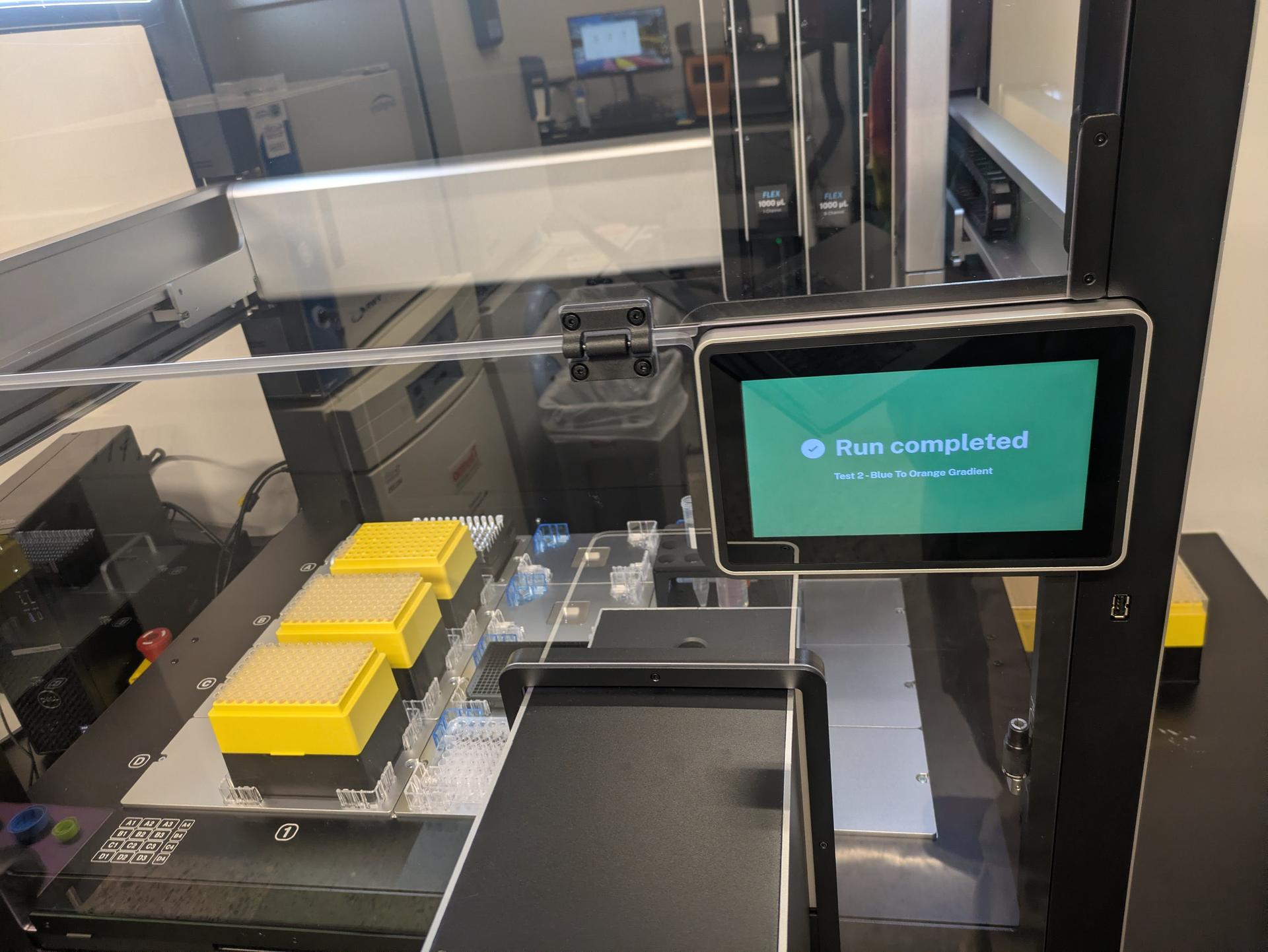
Got to play with an OT flex today - surprisingly easy to make it do things, surprisingly clunky watching it dispense and touch_tip shake its way around haha. I wonder what better liquid handling tech looks like, dialed in this (or my pipette bot for that matter) is fine but there has to be better ways to get timy droplets moving around more carefully.

More misc updates

Permalink

I've been slacking on the updates:

  • Grew two creeping woodsorrel from seed, although the jiffy peat pellets both got pretty mouldy, watering gave a puff of white spores and I think this actually caused contam on a couple of nearby plates of mine! No germination of the hairy bittercress seeds, might have to try a cold shock version? And no more peat pellets in my lab.
  • ~everything stalled waiting on antibiotics for next set of experiments, although I might do a few more gene gun shots with the miraculin + eyGFPuv vector.
  • Single tomato growing well on my biggest indoor purple tomato plant
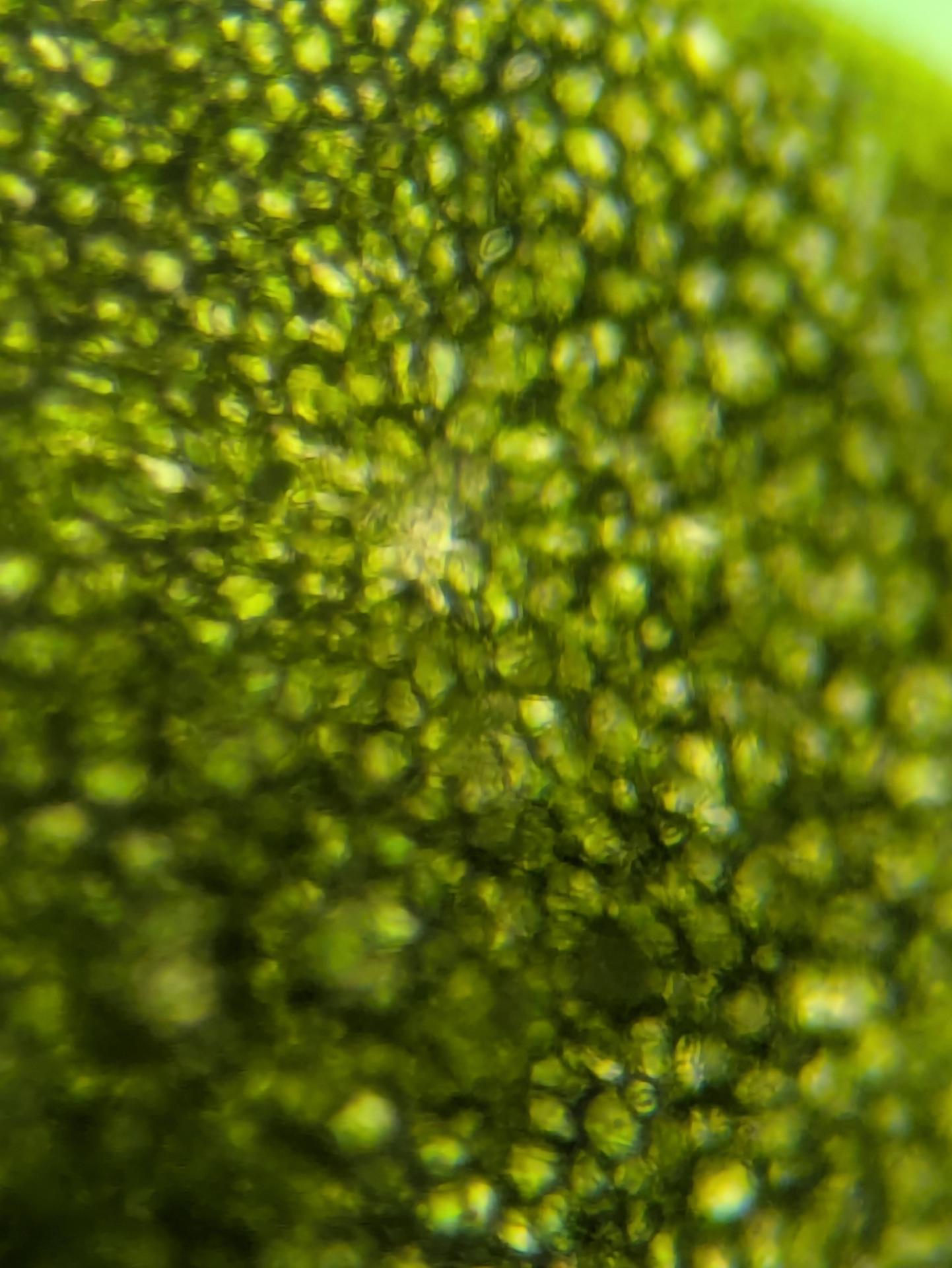
  • Colorful irridescence in the biofilm in my water fern holding tub
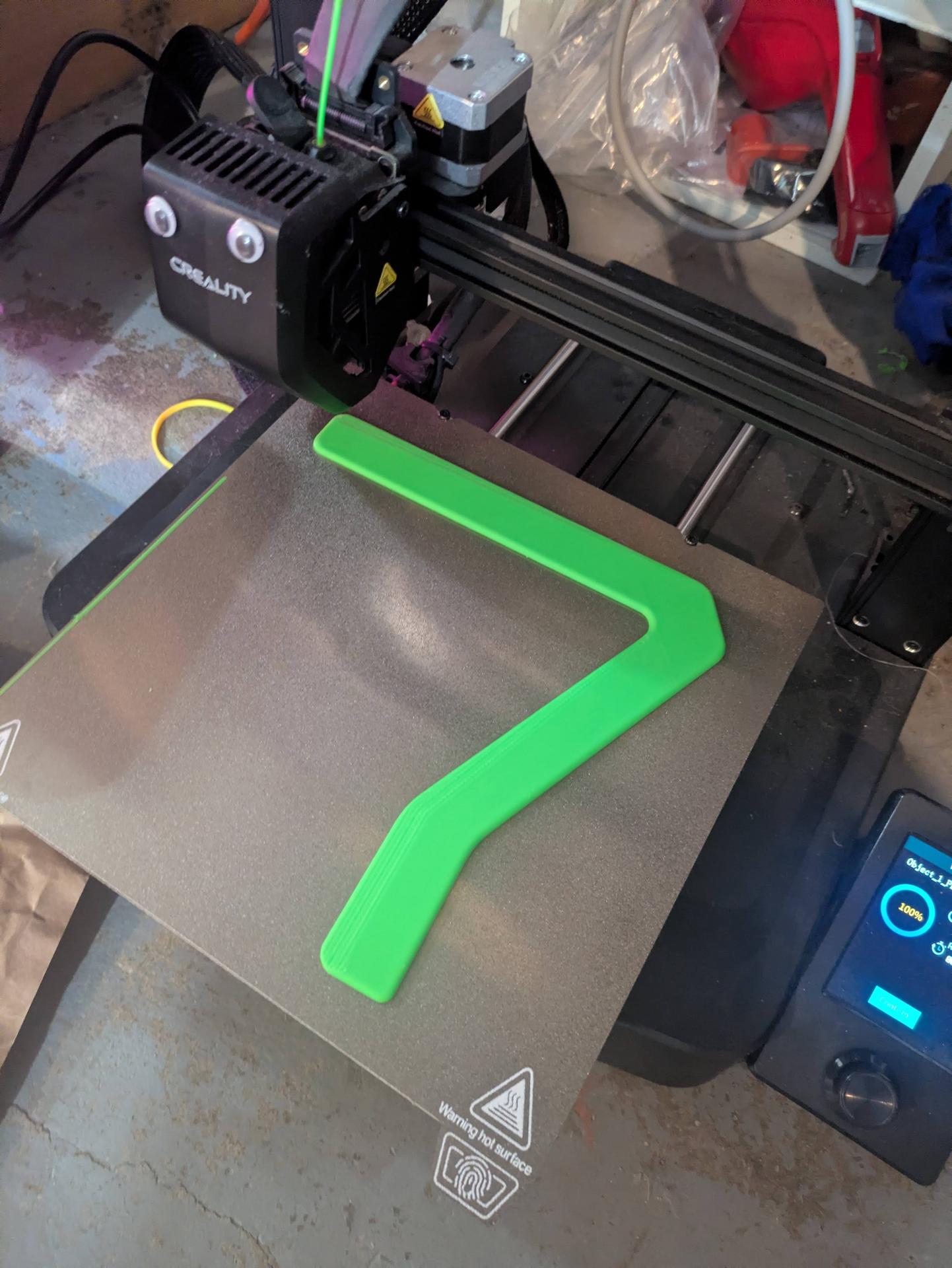
  • Nice 3D printed boomerang design found, video + link to source here
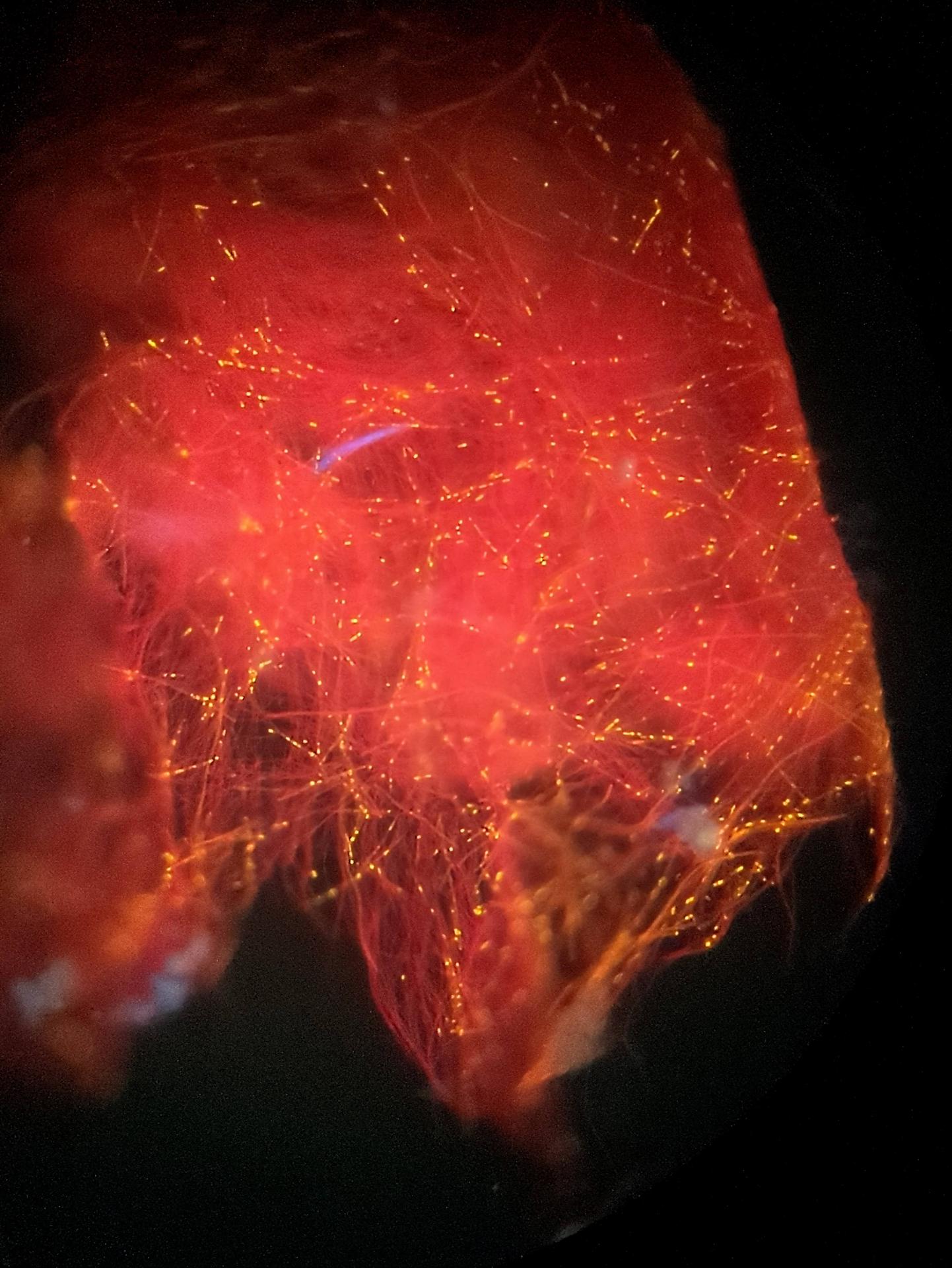
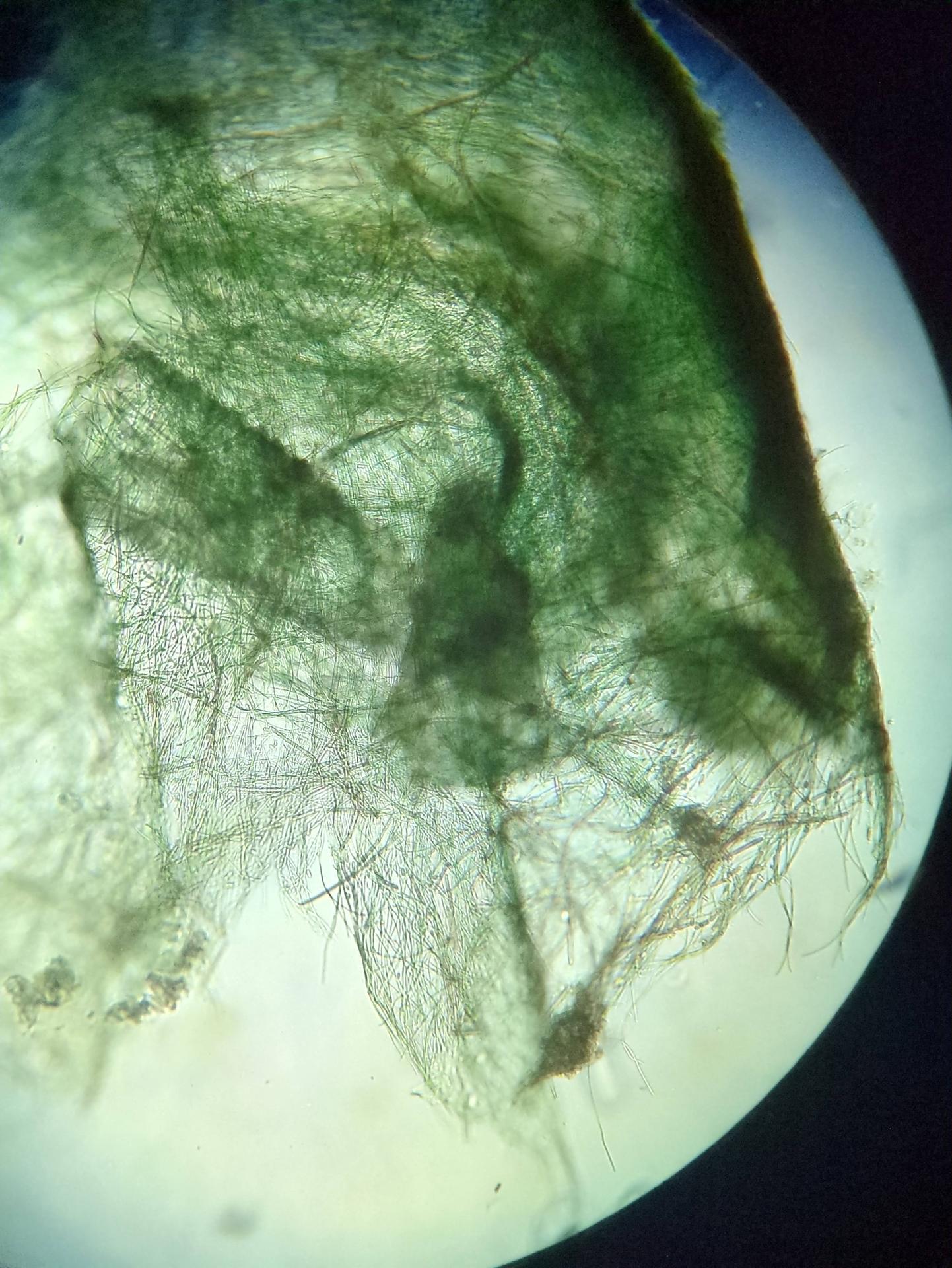
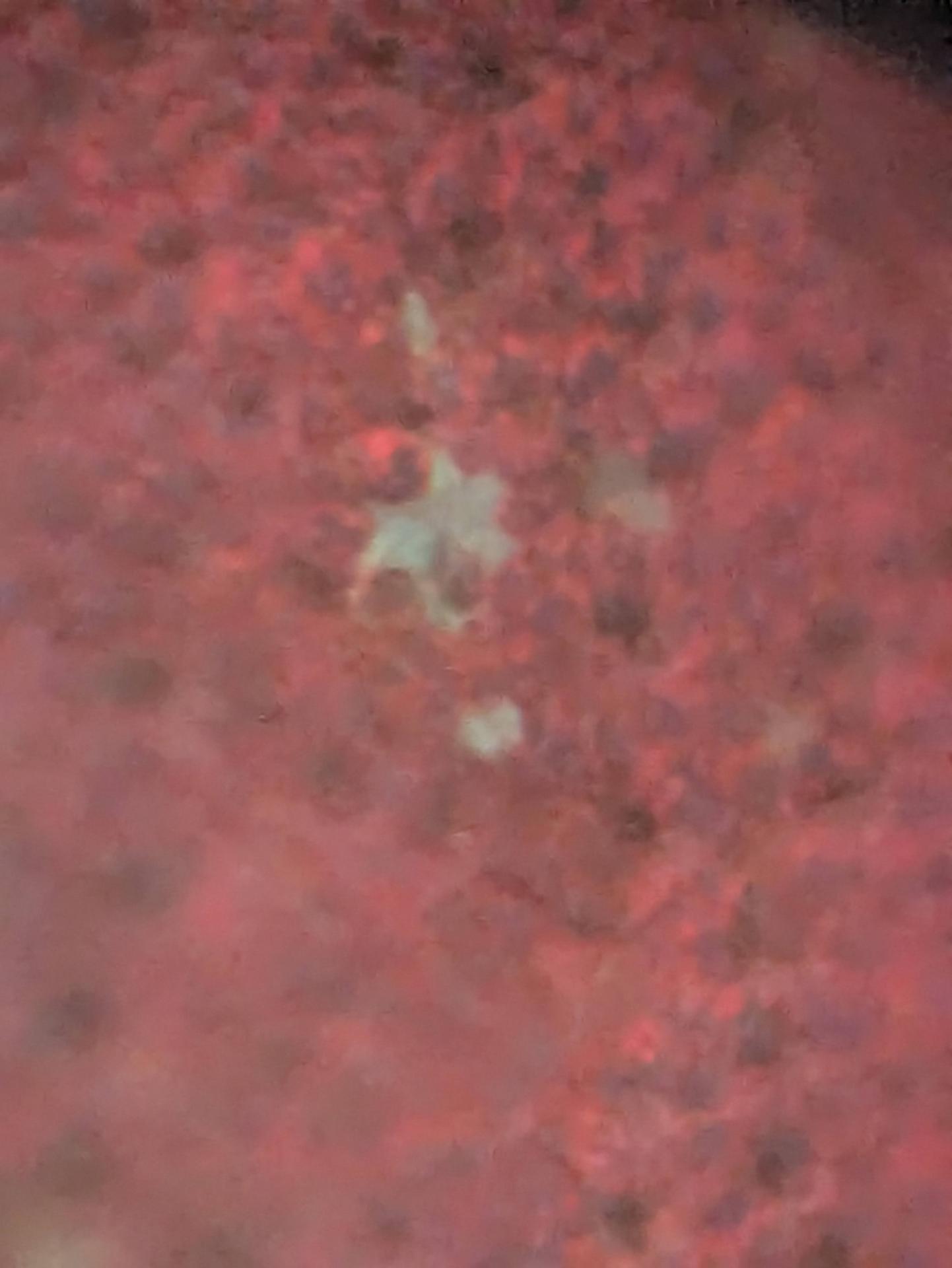
  • Lots of glowy bits in this algae (??) I shot with the gene gun, which frankly raises more questions than answers (most bits not nearly this glowy, and this is after a ton of growth, original was a few cells glowing days after shot. Might be something unrelated? Growing some out, and want to try with other known algae types and see what happens. It's a plant promoter so if this is cyanobacteria it's extra weird

Mold, misc updates

Permalink
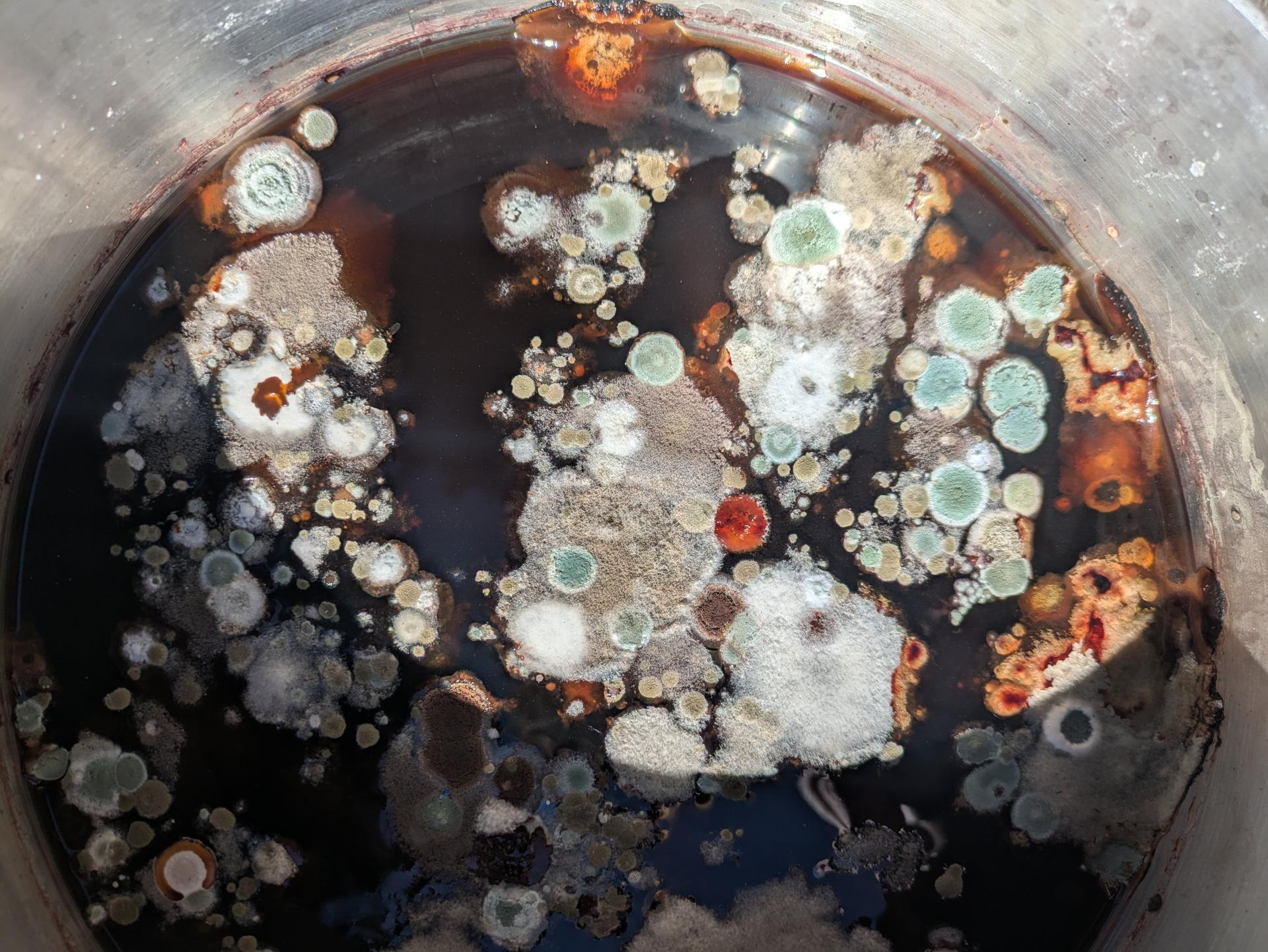
  • Cool mold on Di's rose water dye project
  • Gene gun shots with eyGFPuv vector: duckweed, lots of def +ve. Algae, fair few glowy bits. Water fern, a few +ves it looks like (but lots of other fluorescence so harder to tell). Onion epidermis, no +ves but was near-empty gun. Carrot callus, bit of a mess, contam, some yellowy glowy bits but nothing as obvious as I'd like. Want to try again on fresh carrot.
  • Tomato (purple) indoors: first flower looks like starting to become a fruit
  • Sweet peas outside: eating a few every day
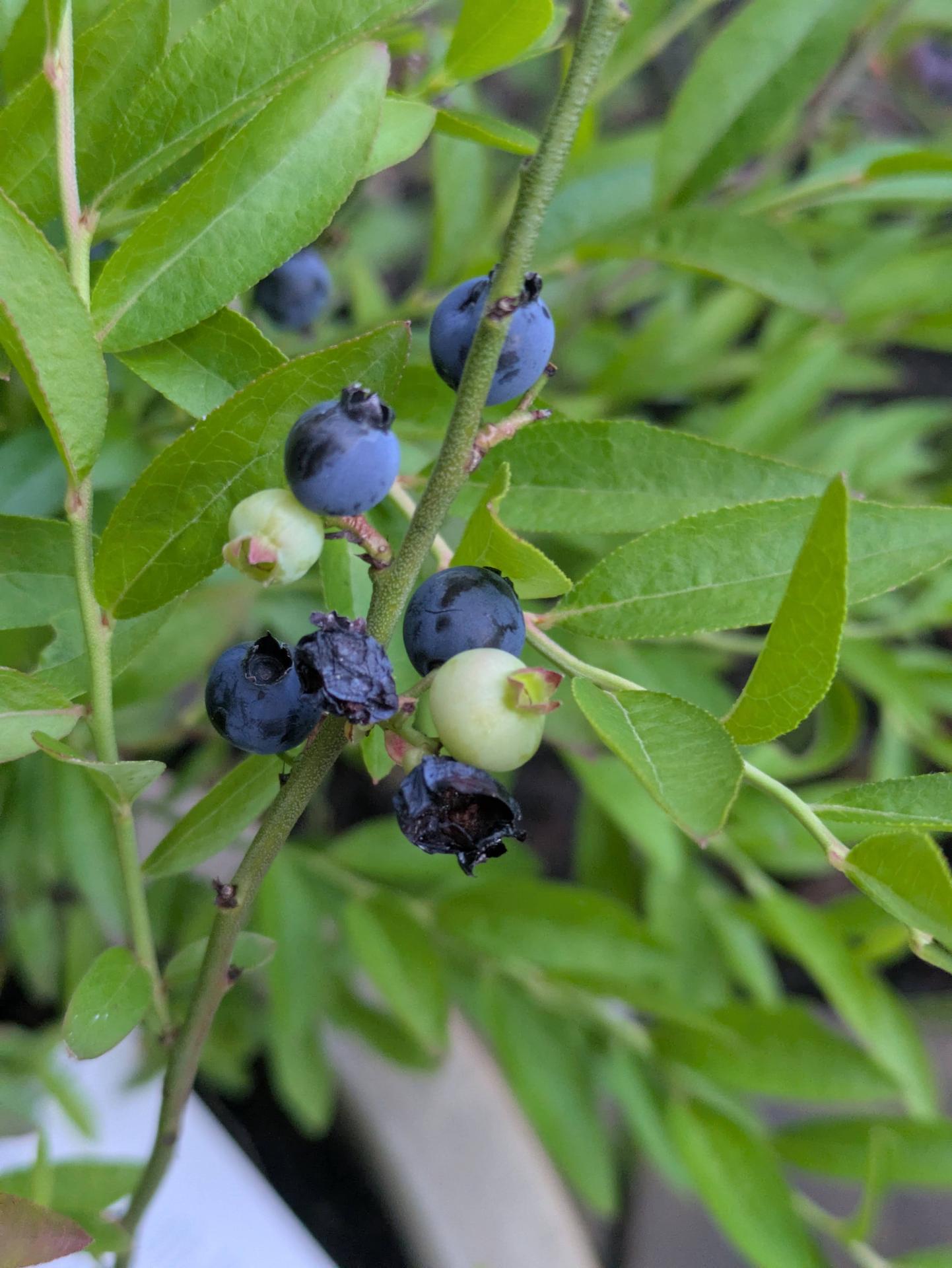
  • Blueberries: first fruit yesterday
  • Tried protein extract on rosella and artichoke same as the passion fruit et al, no miraculin-like stuff, no water sweetness effect.
  • Some creeping woodsorrel seedlines developing, identical development of plant bodies so far, cool to see.

Chlorogenic acid from artichokes

Permalink

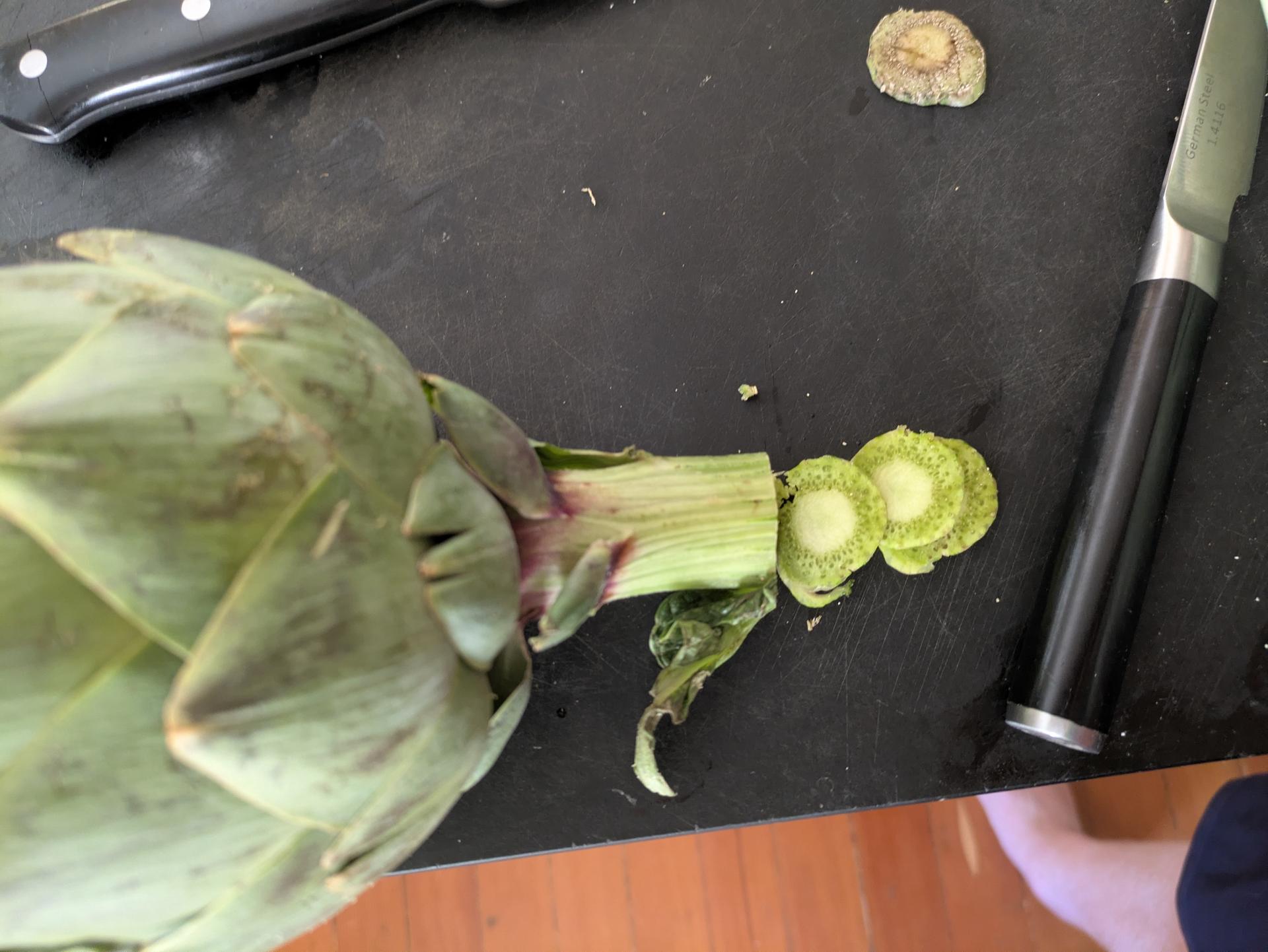
Someone online claims artichoke makes water taste sweet, and blame a protein although they also say the effect survives cooking.
I bought an artichoke but even chewing on the raw stem for a while I don't really notice the effect.
I chopped up some stem and extracted with 70% ethanol and gentle heat, with a pinch of citric acid.
Running a TLC place with ethyl acetate gave a pink smudge for the chlorophyll, re-running with 70:20:8:2 EA: Ethanol : water : vinegar gave some blue-fluorescing smudges for (presumably) various phenolics, the front-runner of which also quenches UVC and is a likely candidate for chlorogenic acid, which the lit claims is present in large quantities in the stems of some cultivars and blames for the sweetening effect (specifically, it taste sweet when it is washed away). Tasting various concentrated versions of the extract, both plain and neutralized, didn't really get me much sweetness I could notice 🤷 I'll try cooked artichoke tomorrow, although my general opinion of this plant matches my feelings on this experiment: too much work for ~no gain :)

Update: tried cooked, various other extractions: no dice. Processed out some fairly pure white compound that I'm hopeful was the chlorogenic acid, tasted about as described, DID seem to maybe make my coffee a little less bitter but hard to taste with confidence :) Only positive of this was having something to dip in my extra satay sauce.

Daily Entry

Permalink

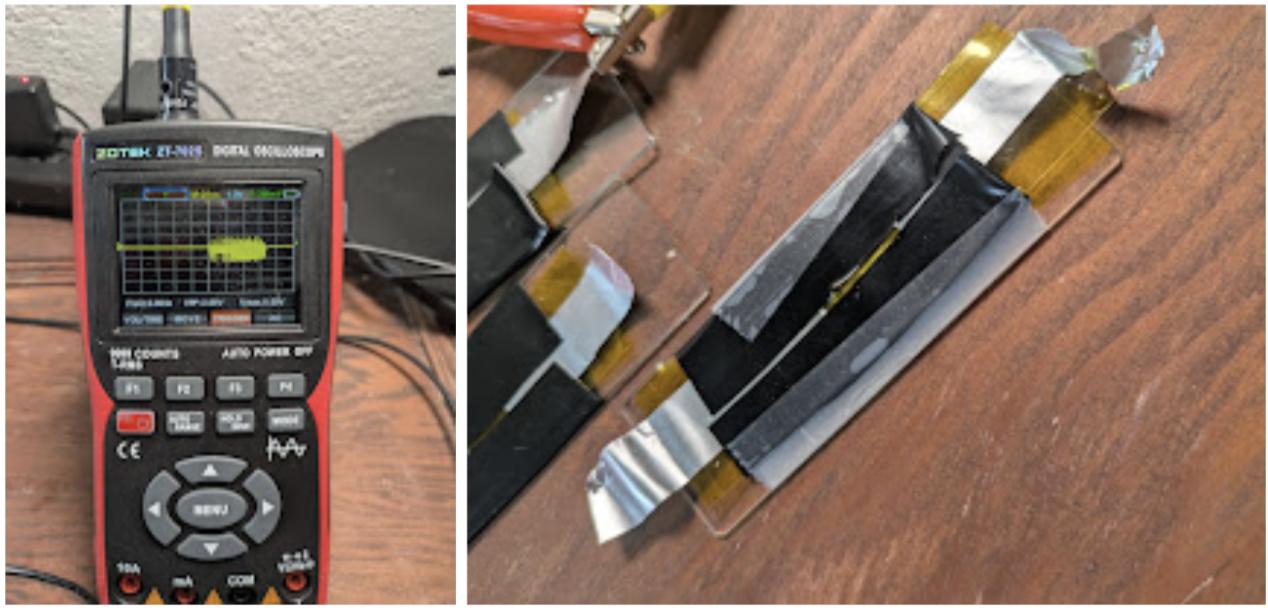
Tried a tazer-based electroporation test a while ago but mostly messed it up. Voltage (with 1-2cm gap) in about the right range but oscillating for 50-100ms.

White poppies

Permalink

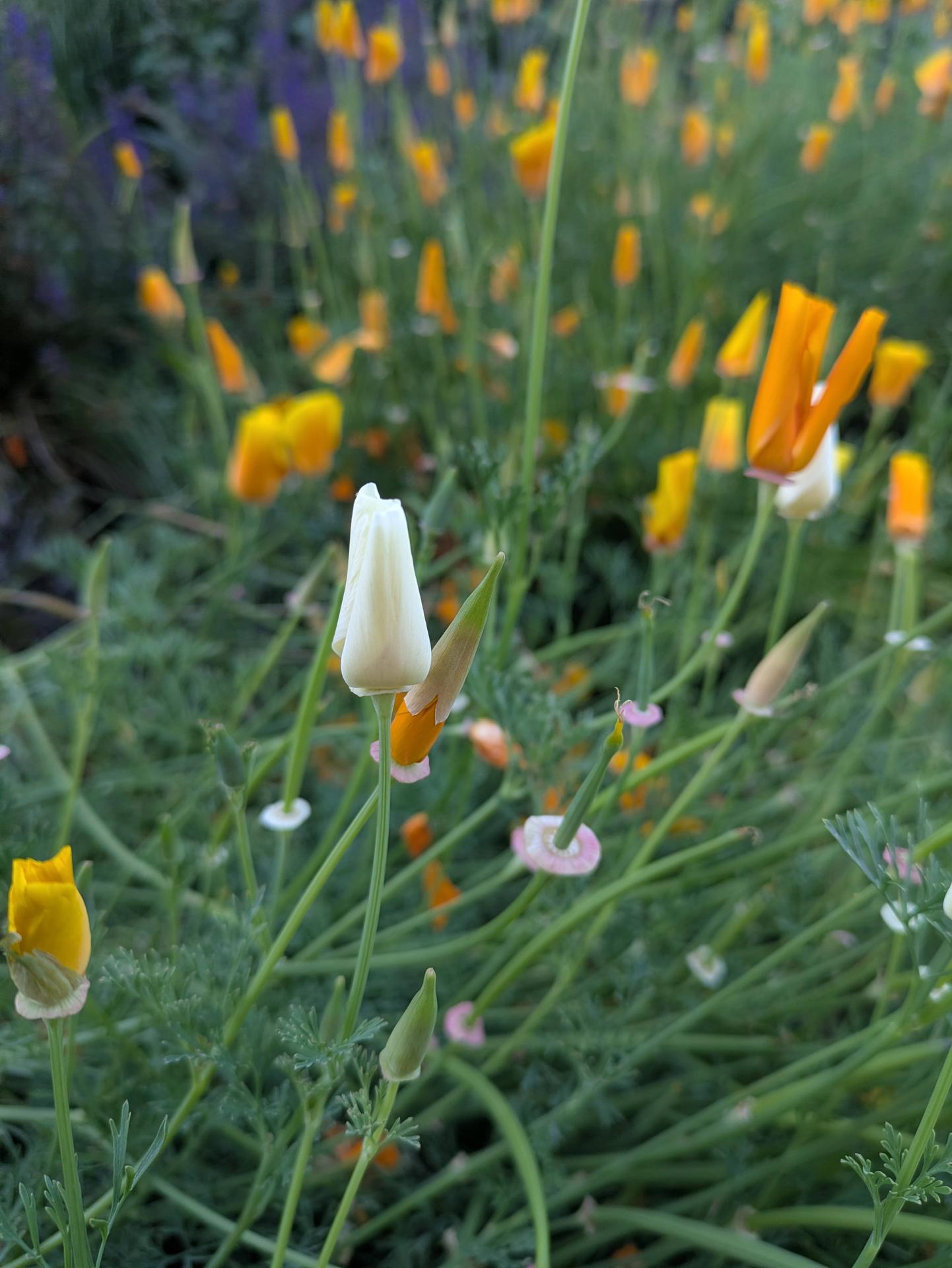
Some white poppies in with the orange ones (california poppies). Apparently these have been studied and it's usually a specific mutation (76 bp deletion in PSY1A). Collected material from both a white plant and an adjacent orange, also tagged the white to later collect seed pod if possible. Some leaf matter dried and labelled, some in Zymo DNA shield (~200mg plant material in ~800uL liquid)

Primers so I don't forget:

PSY-Gap-F TCAAGCAACGACGGAGAGTA
PSY-Gap-R CCTTGCCTGCGAATATGTCT

PSY-Flower-F AAATCAACTCACAAATATTCTTAGAGATGTC
PSY-Flower-R GCCCTGCCTGTGCTAGC

Gene gun tests eyGFPuv

Permalink

Tries various gene gun shots
- Onion: no conclusive results
- Tobacco. Nothing obvious, although maybe a few yellowish cells in amongst the bluer fluorescence
- Duckweed: some definite transformations IMO!
- Noticed a stray algae tfm in the duckweed batch, repeat on a bunch of algae gave +ve results!!

Shots were weaker than I remembered; turns out the CO2 cylinder was mostly empty. Re-doing some with fresh cylinder in the gun.

Hunting for miraculin-likes

Permalink

Digging around in the new ESM release, I found some very close matches to miraculin in some edible plants, notably passion fruit, Roselle, Butterfly pea flower and a few trifolium species (red and zigzag clover). Ordered the first three online in various forms to test, and while waiting I tried a protein extraction with white clover from the yard:
- 5g of leaves crushed in 20ml water with 1.5g salt for ~0.6M. FIltered
- 80ml cold ethanol added, sit overnight in fridge
- Precipitate spun down, re-suspended in ethanol, spun down again, left to dry for a bit then suspended in water

I did a blind taste test with a ml on the tongue left for a bit then spat out - no change in citric acid taste between one vial prepared as above and another treated the same but then left for a while in boiling water to denature the proteins. I also tried grapefruit juice and tobasco with no noticeable difference. Maaaybe the citric acid was less harsh and lingering after the extract.

I know white clover wasn't even in the list but a few other trifolium species were. Conclusion: this is a workeable protein extraction workflow to try with the other candidates, but if there was miraculin-like protein here it wasn't in enough concentrations to affect flavour that I could detect.

Time passed

Permalink

Lot more colorful now. Also, sampled some sea water on the weekend, DNA ordered for miraculin project, lots of other stuff paused for now